
Troubleshooting
Posting too much online can have devastating consequences—from identity theft to job loss. These ten dangers of oversharing reveal how your social media habits might be putting you at risk without you even realizing it.
Identity Theft Through Personal Details
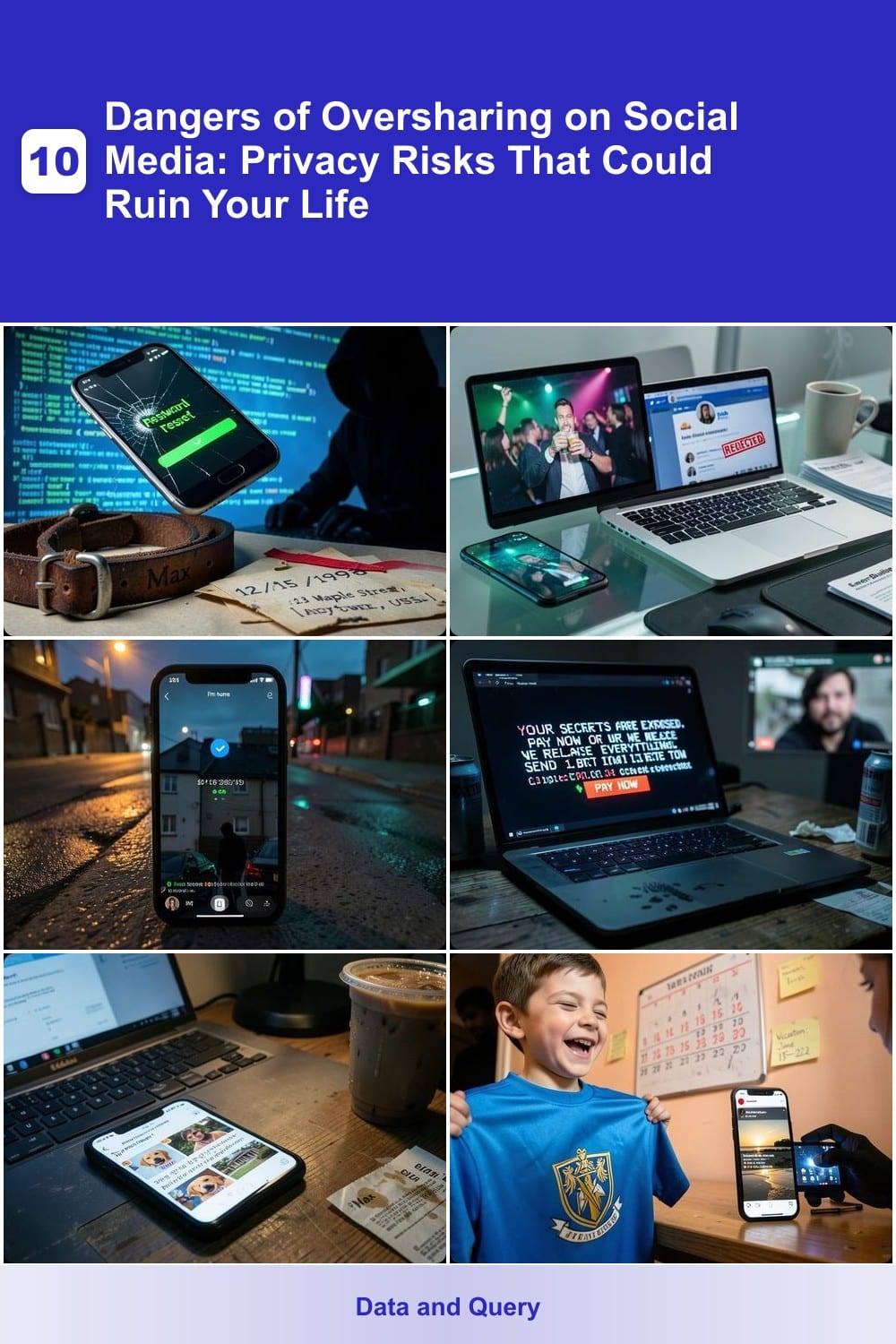
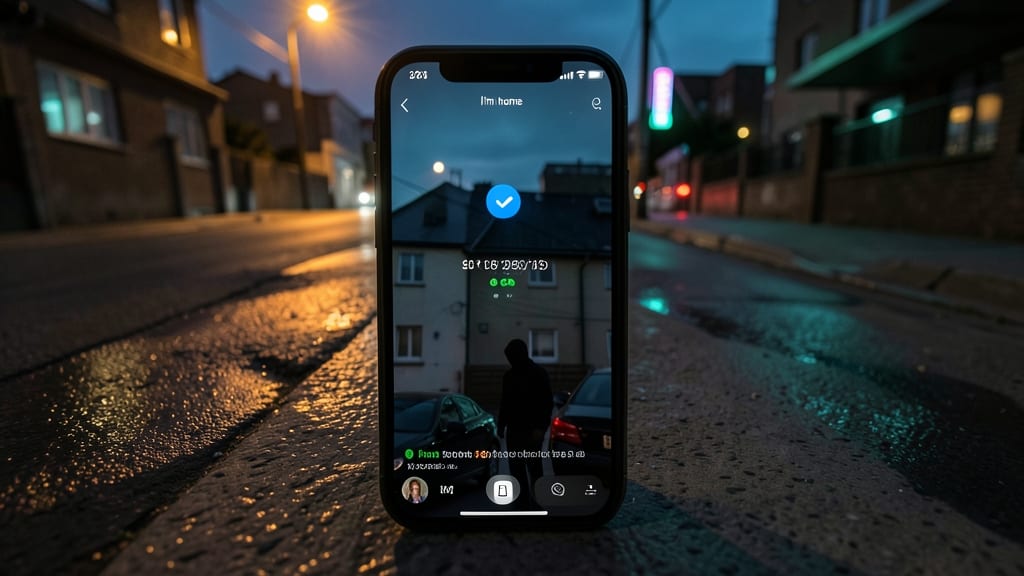
Your seemingly harmless social media posts—like your birthday, childhood pet’s name, or even your childhood address—are goldmines for cybercriminals. Hackers exploit these details to crack passwords, answer security questions, and hijack your financial accounts, turning your oversharing into a direct path to identity theft.
Most people underestimate how easily scammers piece together personal data from posts, comments, or even "innocent" stories. A 2023 Identity Theft Resource Center report found that 61% of identity theft cases start with stolen or guessed personal details—many of which were publicly shared online. Even "private" posts can leak through metadata, screen grabs, or third-party breaches, leaving you exposed.
This risk isn’t just for tech novices—experts and professionals fall victim too. If you’ve ever posted about your anniversary date, first school, or favorite sports team, you’ve given scammers clues to reset your accounts. Lock down your profiles today—your financial security depends on it. ⚡
Job Termination from Inappropriate Posts
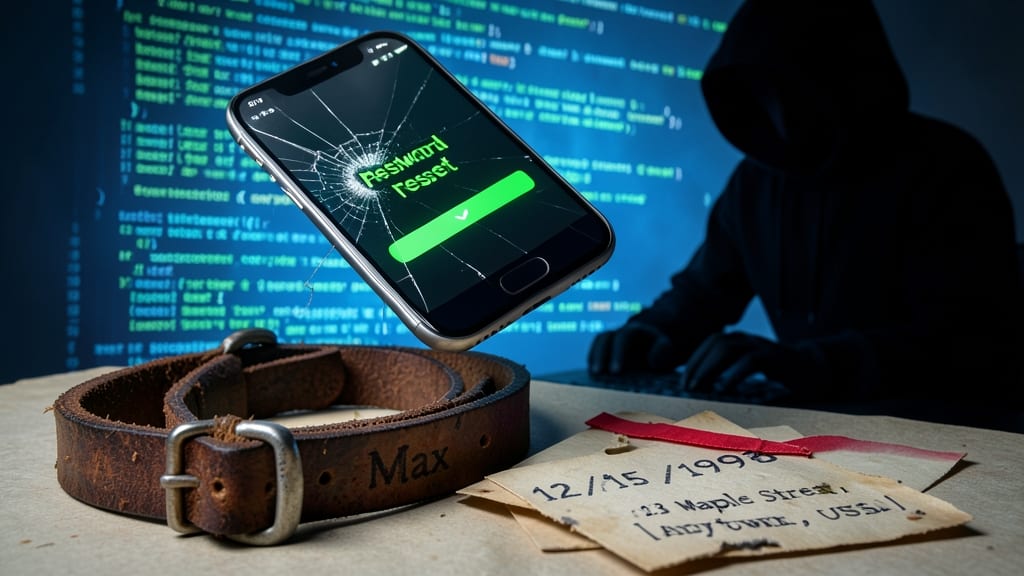
Think your old party photos or political rants are safely tucked away in your private accounts? Think again. A 2023 CareerBuilder survey revealed that 70% of HR managers actively check candidates’ social media before hiring—and 57% have rejected applicants based on what they found.
One inappropriate post—like a rant about your boss, a drunken photo, or even a seemingly harmless joke—can derail promotions or land you on the blacklist of recruiters. Platforms like LinkedIn now integrate with applicant tracking systems, making it easier than ever for hiring managers to flag red flags. Even "private" content can resurface if screenshotted or shared.
Freelancers, remote workers, and career switchers are especially vulnerable—your digital footprint is often the first impression. A quick audit of your profiles could save your next job opportunity. 💻
Stalking and Harassment Risks
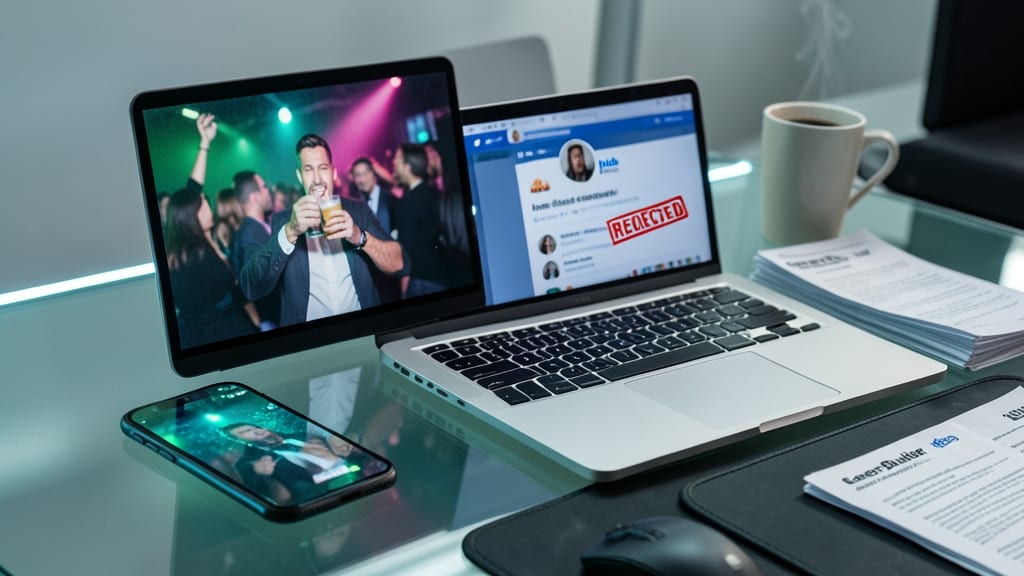
Your "I’m home!" check-in or live location tag might seem harmless, but it’s a goldmine for predators. Real-time tracking features on platforms like Instagram, Snapchat, or even fitness apps reveal your exact whereabouts—turning your daily routine into a digital breadcrumb trail for stalkers or criminals.
Even seemingly innocent posts—like gym selfies with geotags, vacation photos with timestamp metadata, or stories showing your empty house—can be weaponized. Cyberstalkers use tools like Maltego or SpiderFoot to map your movements, while predators lurk on apps like Find My Friends or Facebook’s "Check In". One wrong post could expose when you’re alone, where you live, or even your work schedule.
This risk isn’t just theoretical: 41% of stalking cases start online, per the U.S. Department of Justice. If you’re a single parent, small business owner, or anyone with a predictable routine, disable location services and think twice before broadcasting your every move. 💻
Blackmail and Extortion Scams
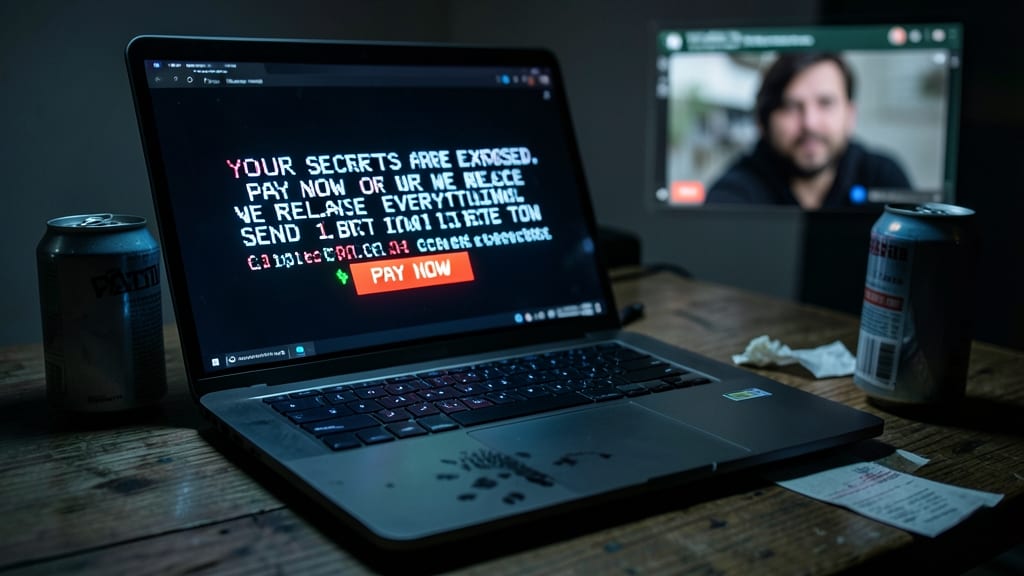
One private message or photo can become the leverage scammers need to turn your life into a nightmare. Cybercriminals exploit oversharing by weaponizing compromising content—from intimate conversations to embarrassing images—to demand money, favors, or silence, often through sextortion schemes that target even verified accounts.
These scams start with phishing links disguised as urgent messages, tricking victims into sharing sensitive material. Once obtained, criminals threaten to expose the content unless paid—often via untraceable cryptocurrency or gift cards. The FBI reports sextortion cases surged 1,500% in 2022, with victims paying an average of $1,000 per incident to avoid public humiliation.
This threat isn’t just for celebrities—anyone with a social media account is vulnerable. If you’ve ever shared private chats or photos, even with trusted contacts, your data could already be at risk. 💡
Phishing Attacks Using Personal Info
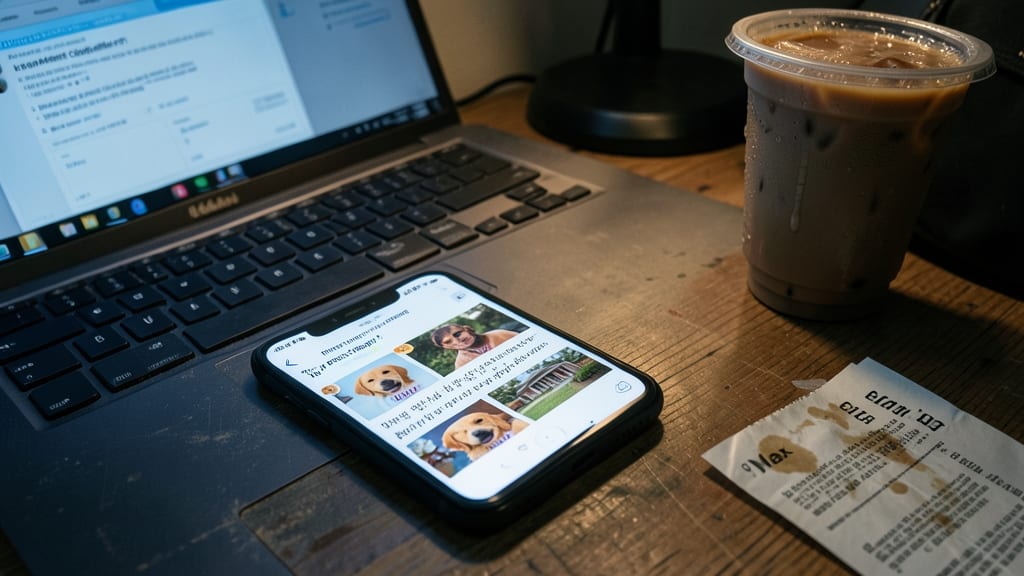
Ever received an email that seemed too personal—like it knew your favorite coffee shop or your dog’s name? That’s not a coincidence. Scammers use AI-powered tools to scour your posts, stitching together details like your birthplace, hobbies, or even inside jokes to craft hyper-targeted phishing emails that bypass spam filters. These messages often mimic trusted contacts or services, tricking you into clicking malicious links or revealing passwords.
The danger escalates when scammers combine public posts with data breaches (like exposed email lists) to create customized lures. For example, if you recently posted about a work conference, they might send a fake “event reminder” with a link to a cloned login page. Even seemingly harmless details—like mentioning your child’s school or a recent purchase—can be weaponized to build trust before the real attack. A single overlooked post could be the key they need to unlock your accounts.
This tactic is especially risky for small business owners, remote workers, or job seekers, whose professional details are often publicly accessible. Always verify unexpected requests via a separate call or secure portal—never click links in emails, no matter how convincing. 💡
Family Safety Compromised
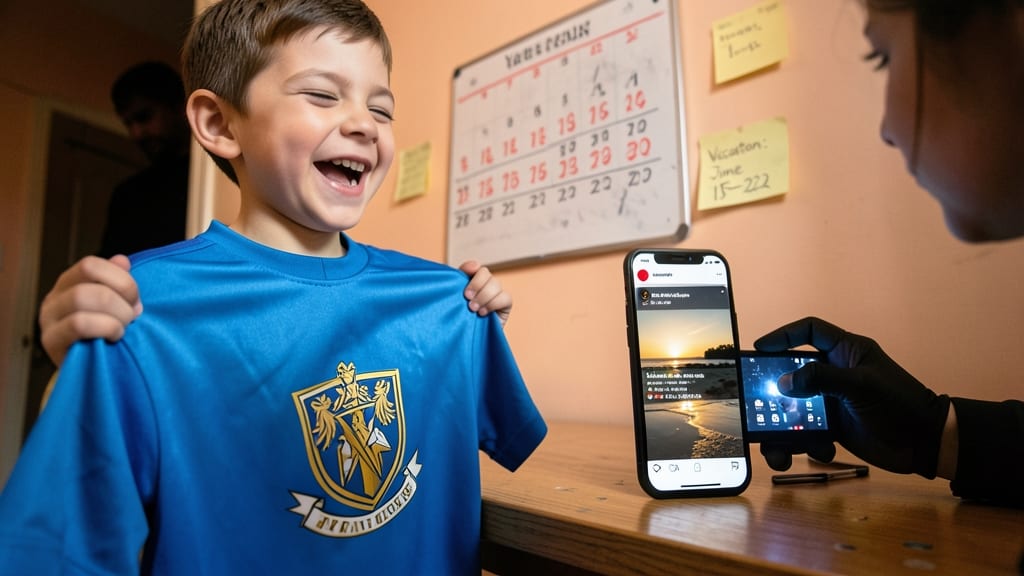
One seemingly harmless post can turn into a nightmare when it involves your kids. Sharing a child’s school name, sports schedule, or vacation plans might seem innocent, but it’s a goldmine for predators who scour social media for vulnerable targets.
Platforms like Facebook and Instagram often default to public settings, exposing kids’ routines. A tagged photo at a local park or a check-in at a favorite playground can be tracked by strangers with malicious intent. Even "private" posts can be screenshotted or shared without your knowledge, putting minors at risk of abduction or online grooming.
Parents should enable location services only when needed, avoid posting real-time updates, and use strict privacy controls to limit who sees kids’ profiles. A moment of carelessness online could have irreversible consequences. 💡
Insurance Fraud Based on Social Posts
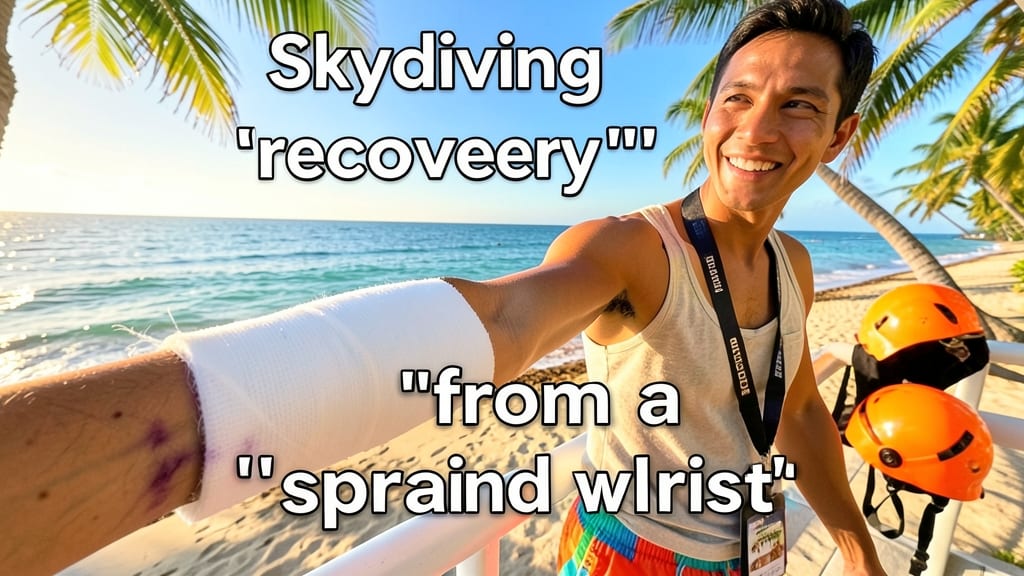
That vacation photo with your broken arm in a cast might seem harmless—but insurance companies now use social media as digital evidence to deny claims. A single post proving you were skydiving "recovered" from a "sprained wrist" could cost you thousands in denied payouts.
Insurers actively monitor platforms for contradictions in claims, like posting about a "totaled car" while your Instagram shows you test-driving a new one. Some even use AI tools to scan for geotags or timestamps that disprove your reported whereabouts during incidents. The stakes? Denied coverage, higher premiums, or even legal battles over fraud accusations.
This risk hits hardest for homeowners, auto, and health insurance policyholders—but freelancers and gig workers should also think twice before posting injury updates. A quick privacy audit (removing old posts, disabling location tags) could save you from a financial headache. 💻
Relationship Trust Erosion

Even in strong relationships, oversharing online can plant seeds of distrust—like leaving a door unlocked when you’re not home. Posts about private conversations, relationship struggles, or inside jokes can feel like eavesdropping to others, sparking insecurity or miscommunication.
Platforms like Facebook or Instagram Stories often blur the line between sharing and exposing, especially when tags or location data leak unintentionally. A 2023 Pew Research study found that 68% of couples reported tension from oversharing, with real-time check-ins (e.g., "Heading to the gym at 6 AM") or financial updates ("Just bought a $5K laptop") being top triggers. Even seemingly harmless posts can create comparison anxiety or fuel rumors.
Couples who prioritize digital boundaries—like avoiding relationship updates online or using private messaging apps—report stronger trust. If you’re in a relationship, ask yourself: Would I want this post to reach someone outside our inner circle? 💡
Targeted Advertising and Data Exploitation
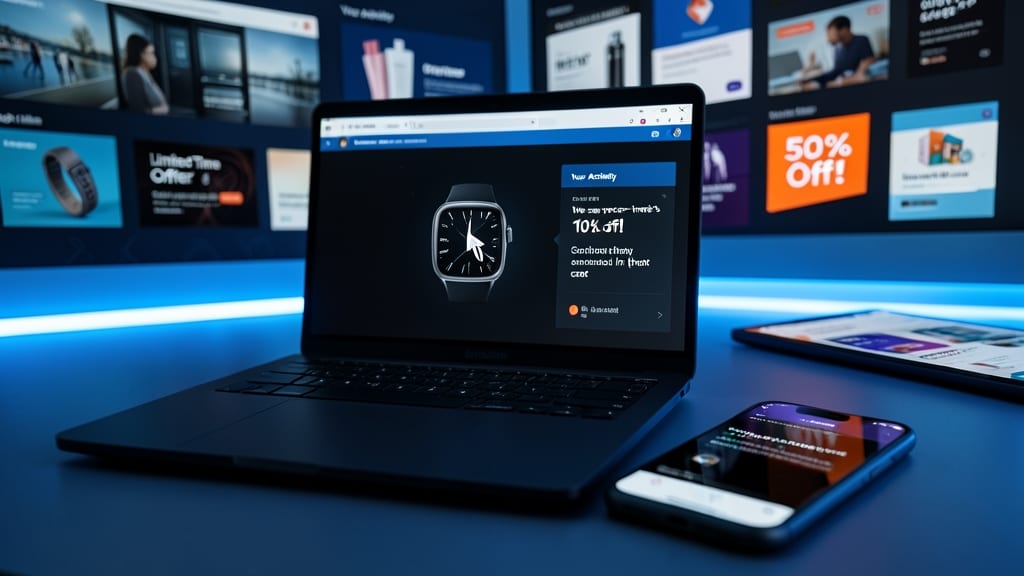
Ever notice how ads seem to follow you across the web like a digital shadow? That’s no coincidence—corporations weaponize your oversharing to craft hyper-personalized ads that track your habits, predict your needs, and even manipulate your decisions.
Platforms like Facebook and Instagram use third-party cookies, location data, and purchase history to serve ads that feel eerily tailored. For example, posting about a new fitness routine might trigger ads for protein supplements, gym memberships, and even financial loans—all without your explicit consent. Meanwhile, Google’s ad algorithms analyze search history to predict future behavior, creating a feedback loop where your interests are constantly refined and monetized.
This isn’t just annoying—it’s a privacy invasion that reshapes consumer behavior. Parents, small business owners, and even teens are prime targets, with ads nudging them toward purchases or subscriptions they might not otherwise consider. The worst part? You’re often unaware of how deeply your data is being exploited until it’s too late. 💡
Reputation Damage from Viral Content
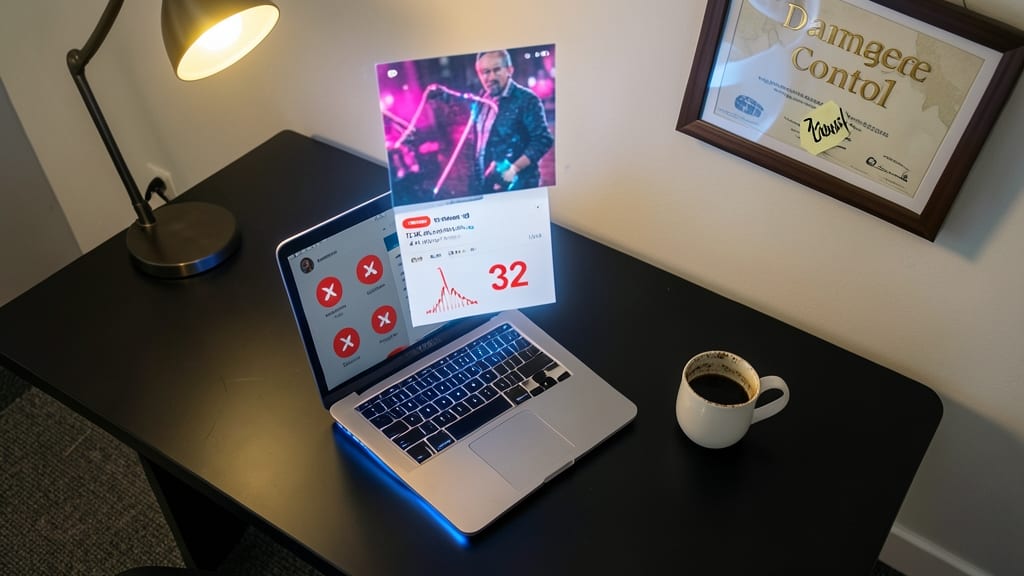
One misplaced tweet or offensive meme can turn into a viral nightmare—and once it does, your professional reputation or personal brand can take years to recover. Unlike other risks, this isn’t about hackers or scammers; it’s about algorithm-driven chaos where a single post gets amplified beyond your control.
Platforms like Twitter, TikTok, and LinkedIn thrive on engagement, and a controversial post can rack up millions of views in hours. Even if you delete it, screenshots and reposts ensure it lives forever. For professionals, this can mean lost job opportunities, while influencers and creatives may face brand deals evaporating overnight. The damage isn’t just digital—it’s real-world, affecting career trajectories and public perception.
This risk hits hardest for public figures, job seekers, and small business owners, where trust and credibility are everything. The lesson? Pause before posting—what seems harmless in the moment can become a career-ending storm with just one click. 🌟