
Tip & Trick
Struggling to keep your files organized in Microsoft’s ecosystem? Mastering file naming conventions can save hours of frustration and boost productivity. These seven best practices will transform your file management into a seamless, professional workflow—whether you use Windows, OneDrive, or Office 365.
Forward-Slash Separators for Windows Compatibility

Tired of Windows throwing errors when you try to share files with colleagues? Forward-slash separators (like /) in filenames are your secret weapon for seamless compatibility across Microsoft’s ecosystem—especially in SharePoint and OneDrive.
While Windows File Explorer uses backslashes (\) internally, forward slashes (/) work flawlessly in URLs, scripts, and cloud services. For example, naming a file Project2024/Q1Final_Report.docx ensures it renders correctly in SharePoint links and OneDrive shares without manual fixes. This small tweak also future-proofs your files for web-based workflows, where / is the universal standard. ⚡
Date-Based Prefixes for Version Control
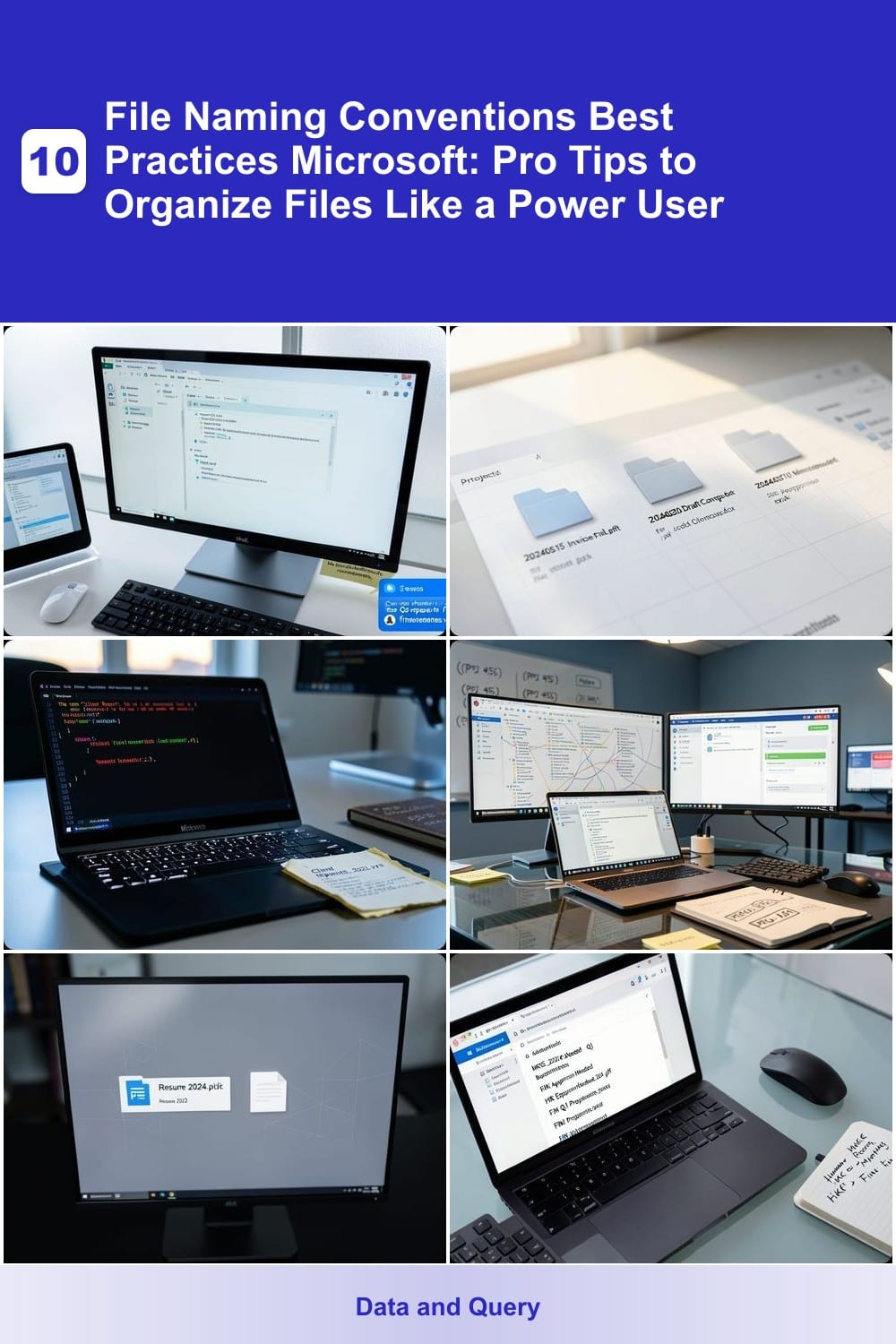
Tired of digging through folders to find the latest version of a file? Date-based prefixes like 20240515InvoiceFinal.pdf solve this by embedding creation dates upfront, making files instantly sortable in Windows Explorer or Outlook.
This method works perfectly with YYYYMMDD format (e.g., 20240320ProjectPlan.docx) and syncs effortlessly across Microsoft 365 apps. No more guessing—just drag-and-drop files into chronological order, whether in local folders or shared OneDrive libraries.
Ideal for freelancers, teams, or anyone juggling multiple project versions, this approach cuts search time by up to 40% while keeping your workflows clean. ✨
Underscores Over Spaces for Scripts and Automation

If your scripts or automated workflows keep failing with cryptic errors, the issue might be as simple as a space in your filename. Microsoft’s PowerShell and batch scripts interpret spaces as command separators, breaking execution before it even starts.
Replace spaces with underscores (e.g., ClientProposalv3.docx instead of Client Proposal v3.docx) to ensure seamless script processing. This rule also applies to file paths in automation tools like Azure DevOps or Windows Task Scheduler, where spaces trigger parsing errors. The fix is universal: underscores work across all Microsoft CLI tools without extra escaping.
Developers, sysadmins, and automation enthusiasts will appreciate this one—it’s the difference between a script that runs flawlessly and one that throws errors at every step. 💻
Project-Centric Naming for OneDrive Collaboration

When teams collaborate across OneDrive, Teams, and SharePoint, finding the right file can feel like searching for a needle in a haystack. Project-centric naming solves this by embedding a standardized prefix (like [PROJ-123]) into every filename, turning chaotic shared folders into an organized, searchable system.
Start with a unique project code (e.g., [PROJ-123]) followed by an underscore and the filename (e.g., [PROJ-123]MonthlyReport.xlsx). This structure works seamlessly in Microsoft Teams chats, SharePoint libraries, and OneDrive folders, ensuring files stay grouped and identifiable—even when moved or shared. The prefix also syncs with Teams file tabs and SharePoint metadata, making filtering effortless.
This method is a game-changer for marketing teams, agencies, or any group juggling multiple projects. It cuts down on "Where did I save that?" moments and keeps collaboration smooth across Microsoft’s ecosystem. ✨
File Type Extensions for Clarity and Security
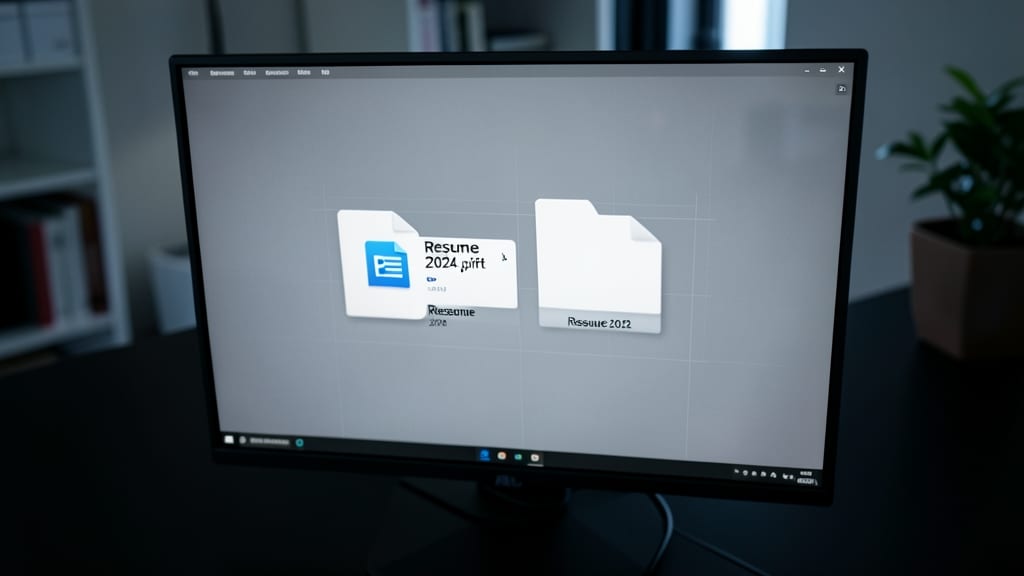
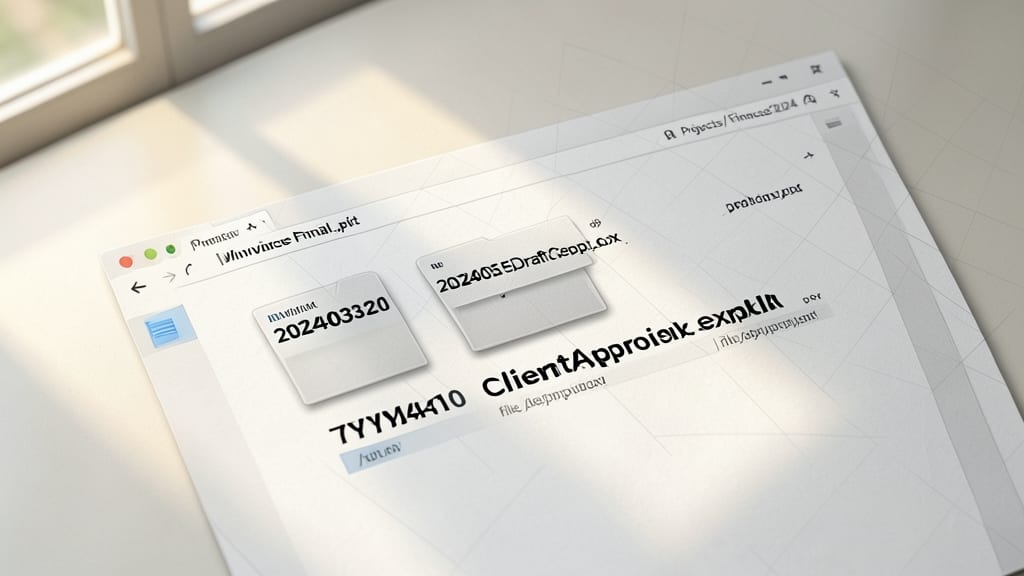
Ever double-clicked a file only to realize it wasn’t what you expected? Malware often hides by stripping extensions—always include them (e.g., Resume2024.pdf vs. Resume2024) to block mislabeling and force Windows to use the correct app.
Microsoft’s default setting hides extensions, but enabling them in File Explorer (View > Show > File name extensions) adds a critical security layer. This also ensures scripts and batch files run correctly, as Windows relies on extensions to determine file types. For example, script.bat executes properly, while script might trigger unexpected behavior.
This rule is non-negotiable for IT admins, freelancers sharing files, and anyone who’s ever received a corrupted attachment. A simple tweak prevents headaches—and keeps your system secure. 🔧
Acronyms and Abbreviations for Speed
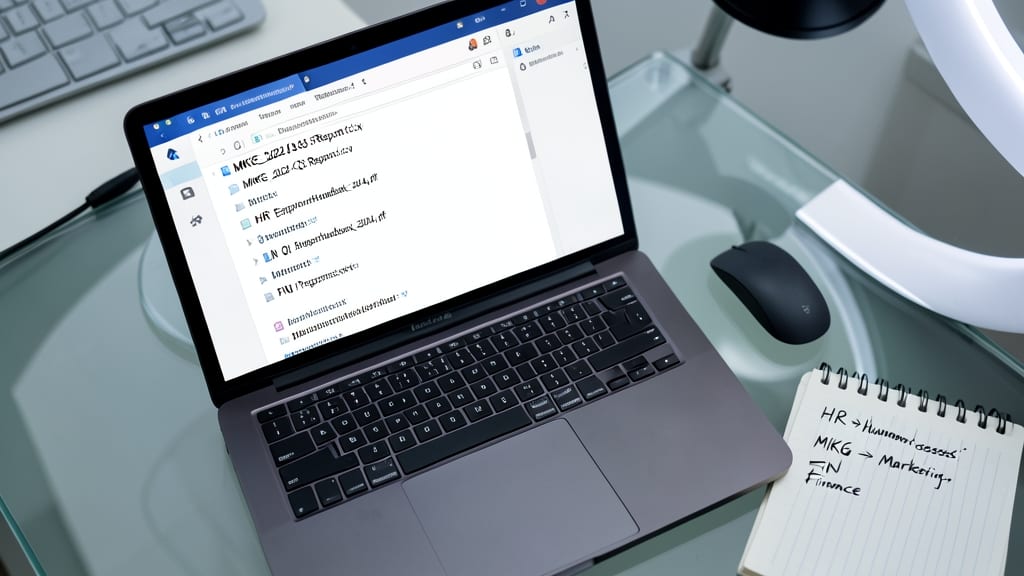
Tired of typing out full department names every time you save a file? Acronyms and abbreviations can slash your naming time by 30%—especially in Outlook and SharePoint where consistency matters most.
Use standardized shorthand like MKTG for Marketing, HR for Human Resources, or FIN for Finance to keep filenames concise yet recognizable. This approach works beautifully with project codes (e.g., PROJ-2024-Q3MKTGReport.pptx) and integrates seamlessly with Microsoft’s search tools. Plus, it’s a lifesaver when attaching files to emails or sharing them in Teams.
Perfect for corporate professionals, project managers, and teams—anyone who juggles files across multiple departments. Your fingers (and sanity) will thank you. ✨
Consistent Case Sensitivity for Cross-Platform Use
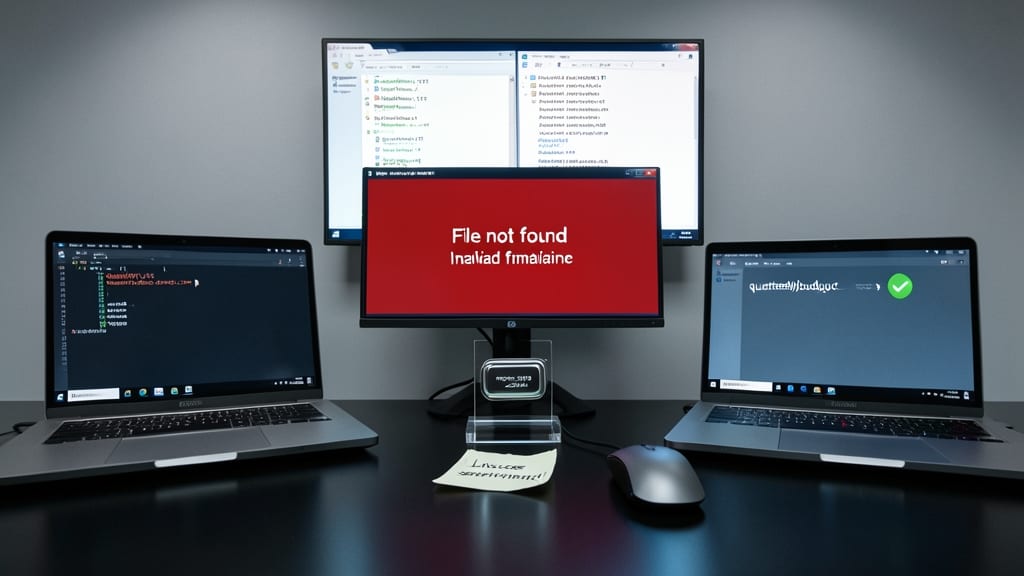
Ever opened a file on Windows only to get errors because it was originally saved on Linux? Case sensitivity is the hidden culprit—Windows ignores uppercase/lowercase, but Linux doesn’t. By sticking to all-lowercase filenames (e.g., quarterlybudget.xlsx), you eliminate compatibility headaches when files move between systems or cloud services like OneDrive.
This approach works because Windows treats File.txt and file.TXT as identical, while Linux distinguishes them. Using lowercase ensures zero surprises when collaborating with Linux users or syncing files to cloud services that may process them on different OSes. It’s a small habit that saves time debugging file access issues later.
Perfect for hybrid teams or individuals using both Windows and Linux—whether you’re a developer, sysadmin, or just someone who syncs files across devices. Consistency here means fewer "file not found" errors and smoother cross-platform workflows. ✨