
Tip & Trick
Mastering keyboard symbols that start with 'A' can dramatically speed up your typing and streamline workflows. These 10 underused symbols and shortcuts are hidden gems for power users across Windows, Mac, and Linux systems.
At Symbol (@) for Email Addresses

Tired of fumbling through autocomplete menus every time you type your email? The at symbol (@) isn’t just a keyboard shortcut—it’s the backbone of modern digital identity, appearing in email addresses, social media handles, and even programming syntax.
On a standard US keyboard, it’s as simple as pressing Shift + 2. This tiny symbol unlocks seamless communication: your Gmail, LinkedIn, or GitHub accounts all rely on it. For developers, it’s also the handle symbol in command-line tools like SSH (e.g., user@host).
Whether you’re drafting an email or troubleshooting code, mastering this symbol cuts down on typing time and reduces errors. It’s the ultimate efficiency booster for professionals and casual users alike. ⚡
Ampersand (&) for Legal and Branding Documents
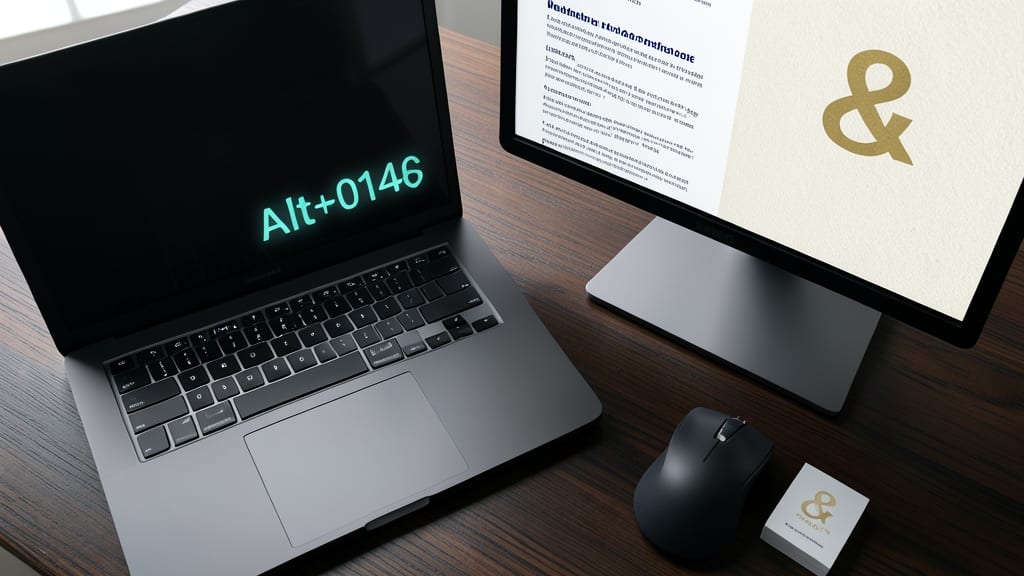
Legal professionals and branding designers know the ampersand (&) is more than just a punctuation mark—it’s a time-saver for contracts, trademarks, and corporate logos. Typing it directly (Shift+7 on US keyboards) or using Alt codes (Alt+0146) eliminates the need to hunt for special character menus.
In legal documents, it’s shorthand for "and" in partnerships (e.g., "Smith & Associates"), while branding teams use it for sleek, professional logos like "McDonald’s & Co." Its versatility extends to abbreviations (e.g., "U.S. & Canada") and even programming (e.g., AND logic in SQL queries).
Perfect for lawyers drafting agreements, marketers designing logos, or anyone who needs to insert it quickly in Word or design software. ⚡
Angle Brackets (< >) for Coding and HTML
If you’ve ever written a single line of HTML or XML, you’ve relied on angle brackets (< >)—the invisible backbone of web development. These symbols aren’t just for coding; they structure entire documents, from simple web pages to complex APIs, with minimal keystrokes.
In HTML, they define tags like <html>, `
`, while in XML, they enclose elements like <book> or <user>. Their simplicity hides their power: zero config needed, just type and go. Modern editors like VS Code even auto-close them, reducing errors. For developers, mastering < > means faster debugging and cleaner code.
Frontend developers and web designers will find these symbols indispensable for building responsive layouts. Even non-coders benefit when embedding HTML in emails or documents. ⚡
Section Symbol (§) for Academic and Legal Writing
Tired of cluttered legal briefs or academic papers with excessive paragraph breaks? The section symbol (§) is your secret weapon for clean, structured documents. Unlike basic headers, this symbol instantly signals formal divisions in text—ideal for citations, statutes, or numbered clauses without visual distractions.
On most keyboards, you’ll find it via Alt + 0167 (Windows) or Option + 6 (Mac). Lawyers and researchers rely on it to mark §1.2 or §3(a), while academics use it for footnotes or theorem labels—saving time compared to manual formatting. Its minimalist presence keeps documents professional and scannable.
Perfect for legal professionals, graduate students, and technical writers who prioritize precision. Master this symbol, and your documents will look polished with zero extra effort. ✨
Asterisk (*) for Bullets and Multiplication
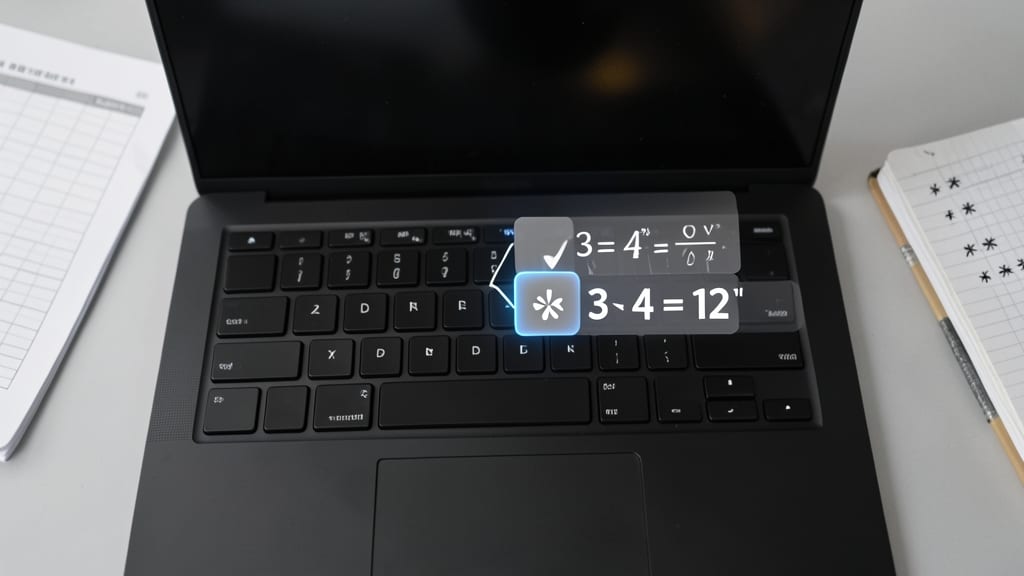
The asterisk () is the ultimate multitasker—serving as both a bullet-point shortcut and a mathematical operator in one keystroke. Whether you're jotting down quick notes or crunching numbers in spreadsheets, this symbol saves time by eliminating the need for manual formatting or calculator apps.
In note-taking apps like Notion or Evernote, pressing before text instantly creates a clean bullet point with minimal effort. Meanwhile, in Excel or Google Sheets, it functions as a wildcard in formulas (e.g., =SUM(A1:A10*2)) or as a multiplication operator, cutting down on typing. Its versatility extends to programming, where it marks optional flags or regex patterns.
Students, data analysts, and developers will appreciate how this dual-purpose symbol streamlines workflows without sacrificing clarity. Just one keystroke for two functions—efficiency at its finest! ✨
Accent Grave (`) for Programming and French Typing
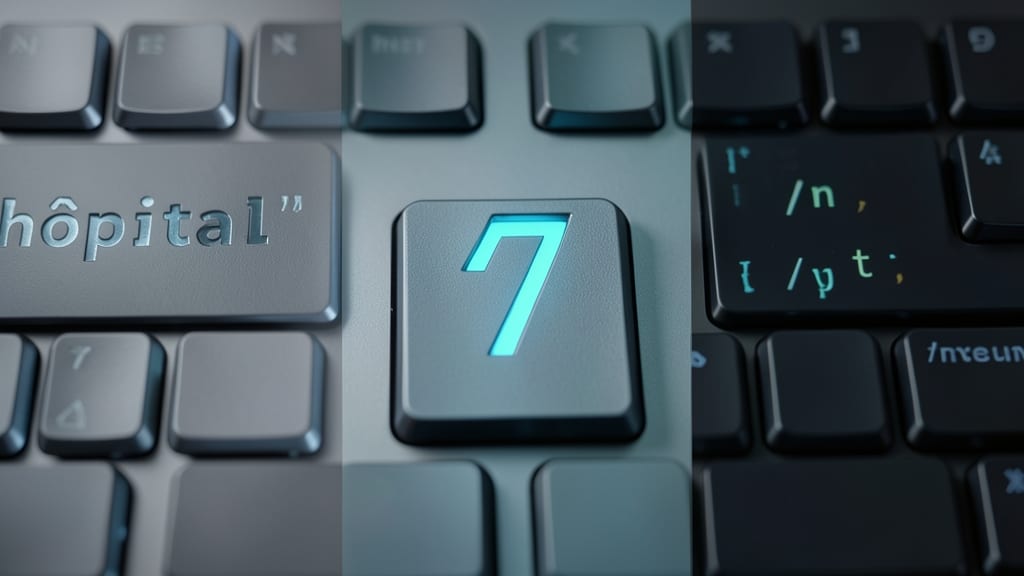
If you’ve ever struggled to type French accents or format escape sequences in code, the accent grave (`) is your secret weapon. This unassuming backtick symbol—often overlooked on keyboards—serves as a dead key for French typography and a programming escape character, bridging the gap between multilingual writing and technical work.
On US keyboards, pressing ` followed by a letter (e.g., `e) instantly produces è, while in programming languages like Python or JavaScript, it denotes escape sequences (e.g., \` for backticks in strings). For French speakers, it’s the gateway to typing é, è, ê, and ç without hunting for accented keys. Developers rely on it for regex patterns and code formatting, making it indispensable for both roles.
This dual-purpose symbol shines brightest for multilingual developers and French typists, cutting down on manual formatting. Master it, and you’ll type faster in both Markdown and French emails—without switching layouts. ✨
Arrow Symbol (→) for Presentations and Flowcharts

Need to create a flowchart or presentation slide that clearly shows direction? The arrow symbol (→) is your secret weapon—it instantly conveys movement, progression, or hierarchy without needing extra icons or text.
On most keyboards, you can type it by pressing Alt + 24 (Windows) or Option + Shift + > (Mac). For PowerPoint, Google Slides, or Lucidchart, simply paste it directly into your text boxes or shapes. It’s also perfect for Mermaid.js diagrams or Markdown documentation to visually separate steps.
Designers, project managers, and educators will appreciate how it reduces clutter while improving readability. No more hunting for arrow icons—just type it in and save time. ✨
Alpha Symbol (α) for Scientific and Mathematical Documents
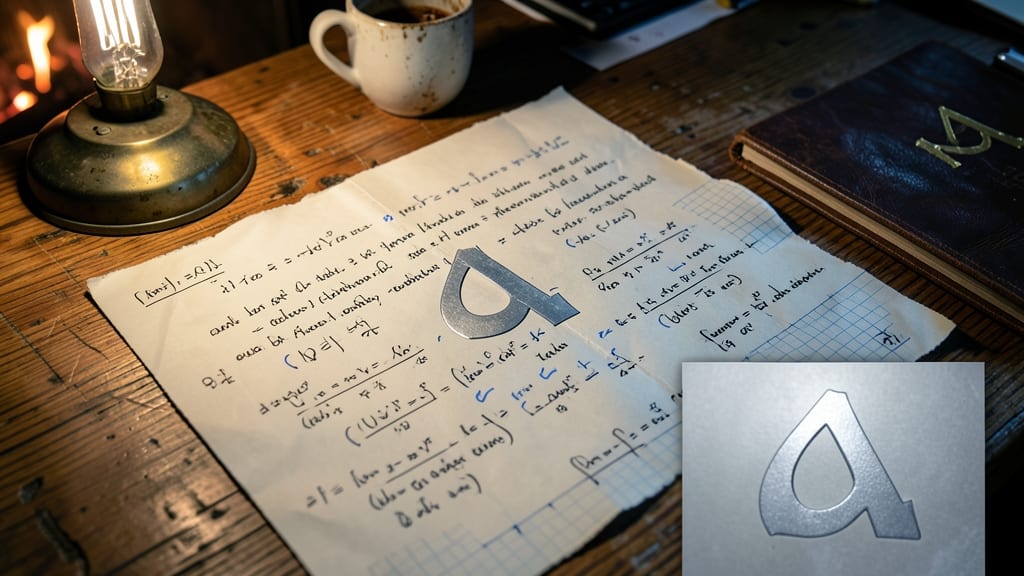
If you’ve ever jotted down an equation or drafted a research paper, you’ve likely encountered the alpha symbol (α)—the first letter of the Greek alphabet. For scientists, engineers, and mathematicians, this symbol isn’t just a letter; it’s a shorthand for variables, constants, and critical concepts in physics, chemistry, and beyond.
Typing α is simple: on Windows, press Alt + 945 (numeric keypad), or use Ctrl + Shift + U followed by 03B1 (Unicode input). On Mac, Option + A gives you α directly. In LaTeX documents, just type \alpha for a crisp, professional-looking symbol. This tiny character represents everything from angular acceleration (α) in physics to fine-structure constant (α) in quantum mechanics.
For anyone working with technical documents, mastering α (and its uppercase counterpart, Alt + 913 on Windows) saves time and ensures precision. Whether you’re coding algorithms or publishing research, this symbol is a non-negotiable tool in your workflow. ✨
Alt Code Shortcut (Alt + Number) for Special Characters
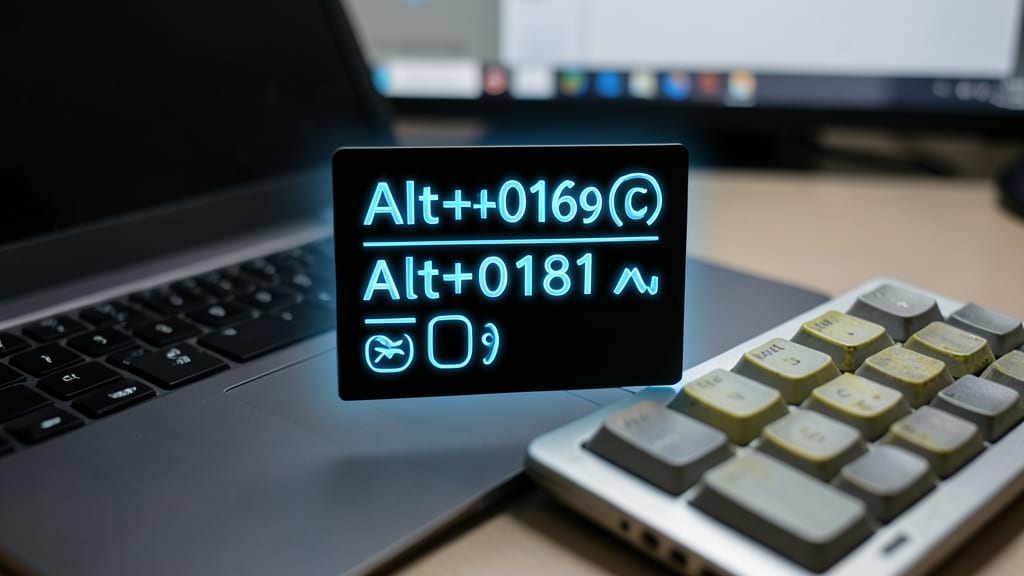
Tired of digging through endless symbol menus just to insert a special character? The Alt code shortcut (Alt + number) lets you type any symbol—from © (Alt+0169) to µ (Alt+0181)—in seconds, right from your numeric keypad.
This zero-config method works on Windows and requires no extra tools. Just press and hold Alt, type the four-digit code, then release Alt to insert the character instantly. Need a ™ (Alt+0153) for branding or a ± (Alt+0177) for math? No problem—this shortcut handles it all without switching layouts or hunting for hidden keys.
Perfect for students, designers, and developers, this trick saves time when formatting documents, coding, or adding flair to presentations. Try it next time you need a € (Alt+0128) or ∞ (Alt+0188)—it’s faster than copying from a symbol chart! ✨
Apostrophe (’) for Contractions and Possessives
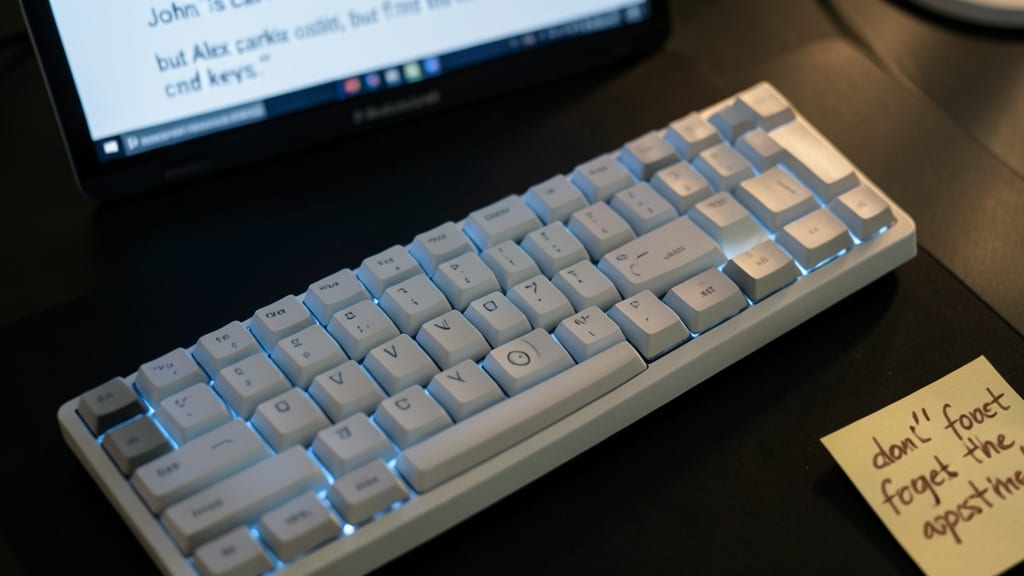
Tired of backspacing to fix "dont" or "johns car"? The apostrophe (’) is your secret weapon for grammar-perfect typing in seconds. Whether you're drafting emails, writing code comments, or jotting down quick notes, this tiny symbol handles contractions ("can't") and possessives ("Alex’s laptop") effortlessly.
On most keyboards, it’s Shift + ‘ (next to Enter on US layouts) or Option + ‘ on Macs. Pro tip: Enable autocorrect in your OS to catch missed apostrophes before they become typos. For developers, it’s also handy in regex patterns (e.g., \b\w+'\b for possessives) or JSON keys like "user's_name".
This is the unsung hero of productivity—perfect for writers, students, and anyone who values clean, professional communication. Master it, and you’ll type faster while keeping your messages polished. ✨