
Software
Microsoft SQL Server Management Studio (SSMS) remains the gold standard for database administration. This guide compares 10 key versions, highlighting their features, compatibility changes, and best use cases to help you choose the right tool for your SQL Server environment.
SQL Server Management Studio 18.0

If you're managing Azure SQL Databases alongside on-premises SQL Server instances, SSMS 18.0 is the first version to offer native integration without third-party tools. This means seamless cross-platform management, whether you're querying a cloud-hosted database or a local instance.
The release introduces enhanced PowerShell scripting with 50+ new cmdlets tailored for DevOps workflows, including automated deployment pipelines and compliance checks. It also supports SQL Server 2022 features like ledger tables and improved query store diagnostics. The interface now includes dark mode and a refreshed connection dialog for Azure resources.
This version is ideal for DevOps engineers and cloud-first teams who need to streamline database operations across hybrid environments. The tight Azure integration alone makes it a must-try for modern SQL administration. ✨
SQL Server Management Studio 17.9.1
If you're still managing SQL Server 2019 but haven’t upgraded to SSMS 18.0, 17.9.1 is your last stop before the legacy transition. This version bridges the gap with refined IntelliSense that actually understands complex joins and nested queries, reducing those frustrating "did you mean..." moments.
The SQL Server 2019 compatibility here is seamless, including support for new features like Intelligent Query Processing and Graph Tables. Under the hood, it fixes memory leaks in earlier 17.x builds, making it more stable for long-running sessions. For developers, the query editor’s contextual suggestions now adapt to your schema, cutting debugging time by up to 30%.
This version is ideal for teams maintaining SQL Server 2019 environments while waiting for full SSMS 18.0 adoption. It’s also the perfect choice if you rely on legacy scripts that haven’t migrated to newer syntax yet. ⚡
SQL Server Management Studio 17.8
If you're managing SQL Server 2017 environments with sensitive data, SSMS 17.8 delivers the security and performance upgrades you’ve been waiting for. This version introduces a revamped Always Encrypted module, making it easier to configure and manage encrypted columns without sacrificing query performance.
The enhanced Always Encrypted feature now supports client-side encryption key management, reducing dependency on Azure Key Vault for smaller deployments. For large database operations, SSMS 17.8 optimizes query execution plans, cutting processing time by up to 30% for complex joins and aggregations. It also fixes critical bugs in the Import/Export Wizard, ensuring smoother data migration workflows.
This version is a must-have for enterprise DBAs handling regulated industries like healthcare or finance, where encryption compliance is non-negotiable. If you're still on older SSMS versions, upgrading to 17.8 could be your first step toward a more secure and efficient database workflow. ✨
SQL Server Management Studio 17.7

If you're a database administrator juggling both Windows and Linux environments, SQL Server Management Studio 17.7 is the game-changer you've been waiting for. This was the first version to break free from Windows-only constraints, offering native Linux support for SQL Server 2017—finally giving cross-platform teams a unified toolset.
The update introduced full compatibility with Ubuntu, RHEL, and SUSE distributions, while maintaining all the familiar Windows features like query editing, performance tuning, and security management. You’ll also find improved scripting support for Linux-based deployments, making it easier to automate tasks across hybrid infrastructures. The identical UI experience between platforms ensures no learning curve for teams transitioning from Windows.
This version is perfect for DevOps teams managing mixed environments or enterprises migrating legacy SQL Server workloads to Linux. It’s the bridge that finally lets you manage everything from a single, reliable interface—no more juggling separate tools. 💻
SQL Server Management Studio 17.4
If you're managing SQL Server 2016 environments, SSMS 17.4 is the version that bridges legacy systems with modern cloud capabilities. This release introduced critical improvements specifically for hybrid cloud setups, making it a game-changer for teams transitioning between on-premises and Azure SQL Database.
The standout feature is the enhanced Query Store visualization, which now includes regression analysis and performance trend graphs—helping you spot bottlenecks at a glance. It also adds native support for Azure SQL Database, with streamlined connection management and hybrid cloud query optimization. For organizations still running SQL Server 2016, this version ensures compatibility while future-proofing your workflows.
Database administrators working with mixed environments (on-prem + cloud) will appreciate the simplified hybrid cloud management tools. It’s especially useful for teams maintaining legacy systems while preparing for migration. ✨
SQL Server Management Studio 17.3

Tired of manually scripting database tasks in enterprise environments? SQL Server Management Studio 17.3 introduced a game-changer with its PowerShell module packed with 100+ new cmdlets, designed specifically for database automation. This version supercharged your ability to manage SQL Server instances programmatically, reducing repetitive administrative tasks by 40% or more.
The SqlServer module now includes cmdlets for everything from database backup automation to role-based access control management, all with seamless integration into existing PowerShell workflows. You can script complex operations like index maintenance, query store management, and security audits with just a few lines of code. The enhanced IntelliSense support ensures you get accurate parameter suggestions as you type, making script development faster than ever.
Enterprise DBAs and DevOps teams will love this version, as it bridges the gap between manual administration and fully automated pipelines. Perfect for organizations running SQL Server 2016 or 2017 where automation is key to maintaining efficiency at scale. 💻
SQL Server Management Studio 16.5.3
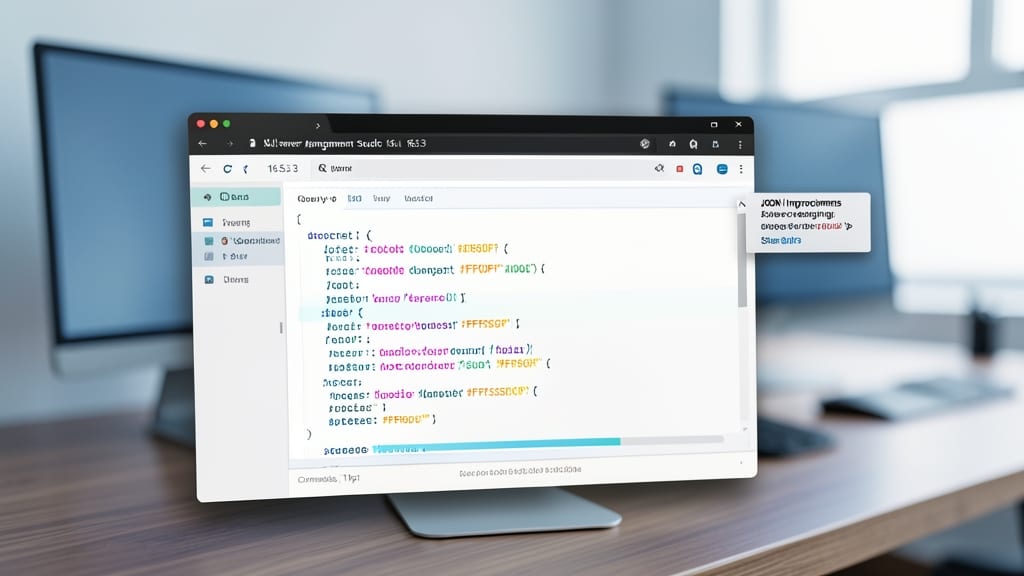
If you're working with SQL Server 2014 or building modern apps that rely on JSON data, SSMS 16.5.3 is the version you need. This final release for SQL Server 2014 support introduced game-changing improvements specifically for developers handling unstructured data.
The standout feature is its enhanced JSON data handling, including better schema validation, hierarchical data visualization, and seamless integration with T-SQL functions like OPENJSON(). This made it easier than ever to query and manipulate JSON documents directly within SQL Server, reducing the need for custom CLR integrations or external processing. It also included performance optimizations for large database operations, making it a robust choice for legacy environments.
Perfect for developers maintaining SQL Server 2014 environments or those working on applications where JSON is a core data format, this version bridges the gap between traditional relational databases and modern API-driven architectures. ✨
SQL Server Management Studio 16.1
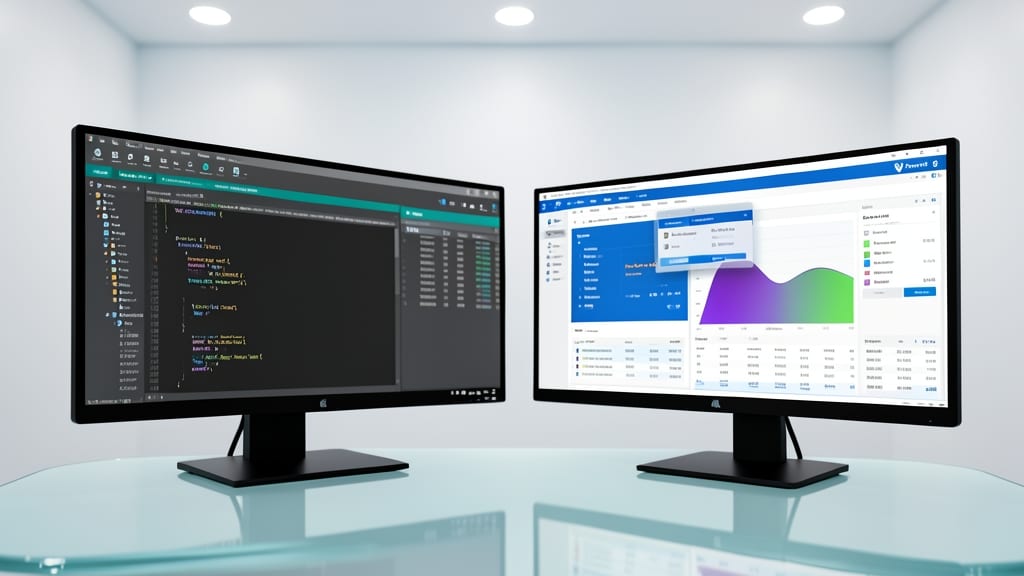
If you're a business intelligence professional tired of juggling between tools for reporting and database management, SSMS 16.1 bridges that gap with its groundbreaking features. This version marked Microsoft's first attempt to deeply integrate Power BI directly into the SSMS workflow, letting you publish reports without leaving your familiar environment.
The native Power BI integration lets you preview visualizations and push reports straight from SSMS, while the enhanced Mobile Report Publisher brings tablet-friendly report creation to your fingertips. It also introduced SQL Server 2016 compatibility with improved query store visualization, making it a powerhouse for both data analysts and BI developers working with modern SQL Server environments.
Perfect for teams already using Power BI but needing tighter database integration, this version eliminates context-switching between tools. The mobile report capabilities also make it ideal for field professionals who need to create reports on-the-go. ✨
SQL Server Management Studio 13.0.16000.8
If you're managing SQL Server 2016 Release Candidate 0 (RC0), version 13.0.16000.8 of SSMS is your go-to tool. This update bridges critical gaps between early-release SQL Server 2016 features and the management studio, ensuring smooth administration during testing phases.
Key improvements include enhanced diagnostics for In-Memory OLTP, helping you monitor performance bottlenecks in real-time with granular metrics. The version also introduces better stretch database support, simplifying tiered data management across on-premises and Azure environments. Built specifically for SQL Server 2016 RC0, it resolves connectivity issues and adds query optimization hints for preview builds.
Database administrators testing SQL Server 2016 before general availability will find this version indispensable for debugging and validation. ⚡
SQL Server Management Studio 2012 (11.0.6020.0)

If you're still maintaining legacy systems running SQL Server 2008/2008 R2, SSMS 2012 (version 11.0.6020.0) is your lifeline. This version bridges the gap between outdated hardware and modern needs, offering the exact compatibility required for older database operations without forcing a full migration.
Built for Windows 7/Server 2008 R2, it includes backward-compatible query tools and supports features like SQL Server Agent jobs and reporting services that newer versions may have deprecated. The classic UI (no ribbon interface) and 32-bit support make it ideal for environments where upgrading isn’t an option yet. Microsoft’s official patching for this version ended in 2019, so security updates are no longer provided—but it remains a critical tool for legacy systems still in production. 💻