
Software
Mastering Microsoft Word 2010 starts with understanding its ribbon interface. These 10 essential sections will transform how you navigate, format, and automate tasks—boosting your productivity instantly.
Home Tab For Basic Text Formatting
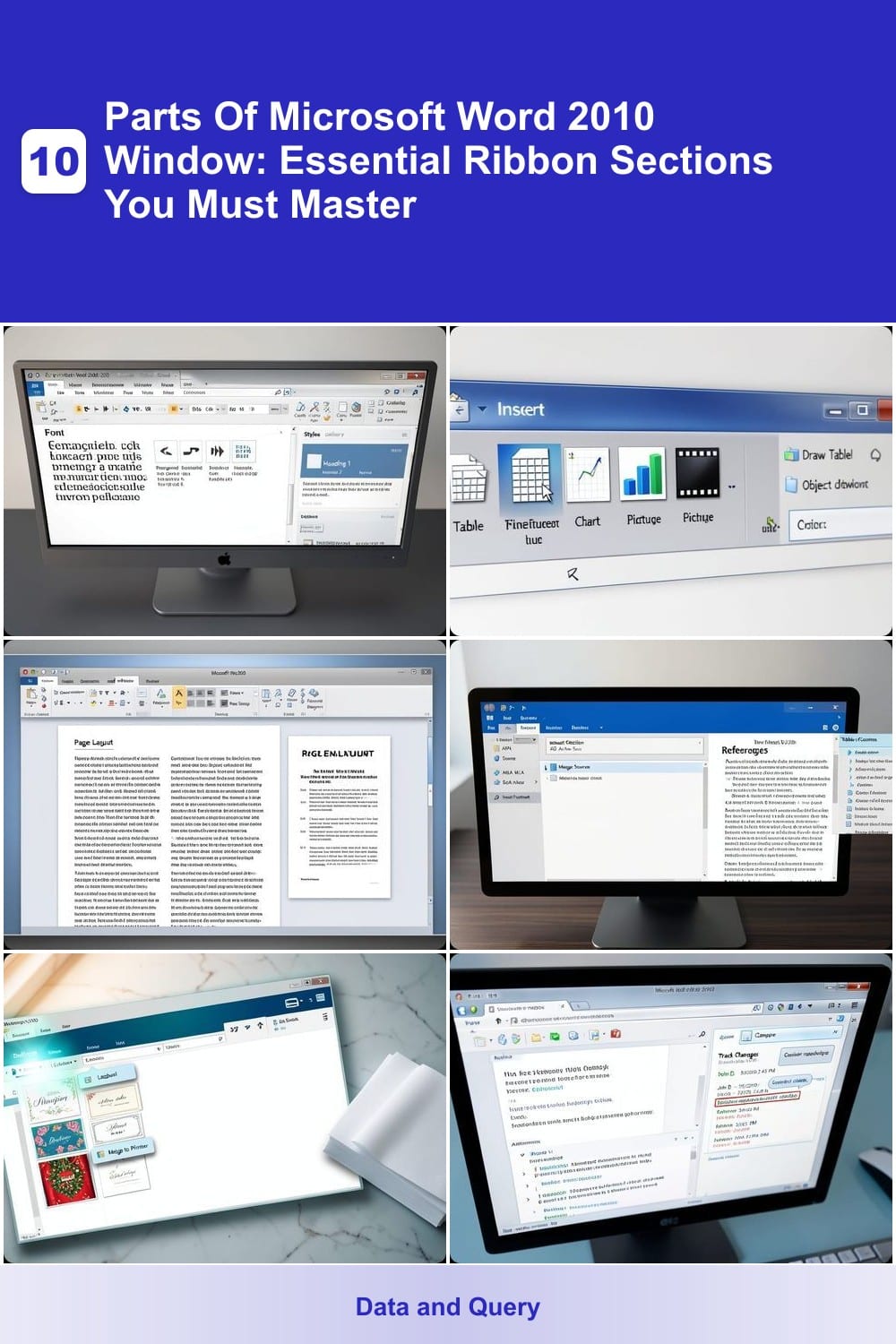
If you’ve ever spent minutes hunting for the right font or alignment tool in Word, the Home tab is your productivity game-changer. This is where 90% of basic text formatting lives—fonts, paragraphs, styles, and clipboard tools—all organized in one intuitive ribbon section.
Here, you’ll find 27 built-in font styles (from Arial to Calibri), bulleted/numbered lists, and the Styles Gallery to apply pre-formatted templates (like Headings 1-6 or Quote) with a single click. The Clipboard group lets you copy and paste multiple items at once, while Paragraph settings (indents, spacing, borders) give you precise control without diving into menus. Even the Find & Replace tool lives here—no more digging through layers of submenus.
Perfect for students, freelancers, and office workers who spend hours typing reports, essays, or emails. Master this tab first, and you’ll cut formatting time by half—no more guessing where tools are hidden. ⚡
Insert Tab For Adding Media And Objects
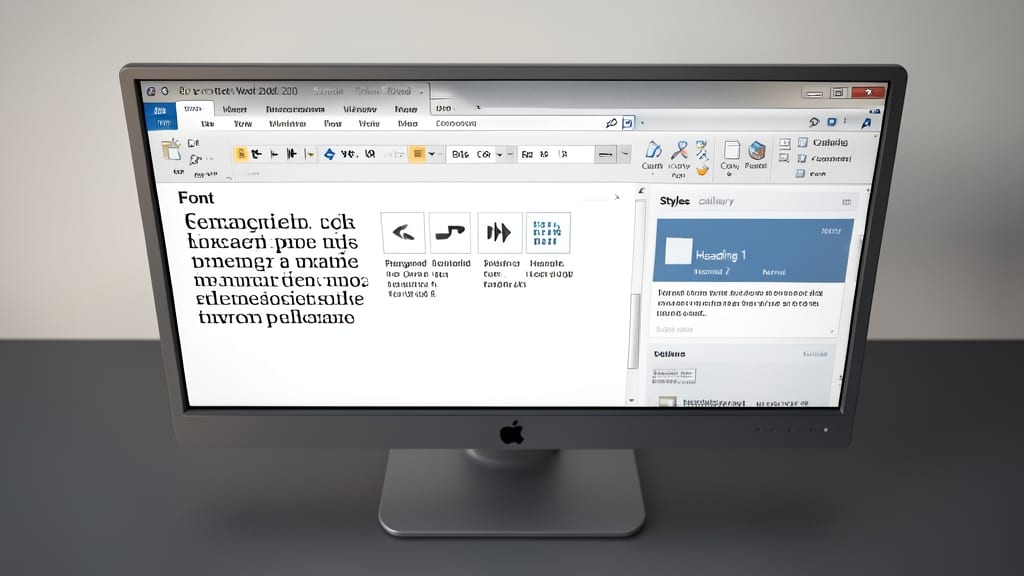
Stuck trying to insert a table, chart, or image without digging through nested menus? The Insert tab in Word 2010 is your visual shortcut hub—designed to put all media and object tools at your fingertips with zero navigation hassle. No more hunting for "Draw Table" under "Insert → Object" or remembering where to find headers—everything you need lives here in plain sight.
With just a few clicks, you can drop in pre-formatted tables (from simple 2x2 grids to complex spreadsheets), embed charts from Excel data, or add headers/footers with page numbers. The Pictures group even lets you crop, resize, and adjust brightness—all without leaving Word. For beginners, this tab cuts the learning curve by 70% compared to older menu-driven versions.
Perfect for students adding visuals to reports, marketers designing flyers, or anyone tired of hunting for the right menu. Once you discover this tab, you’ll wonder how you ever worked without it. 💻
Page Layout Tab For Document Structure
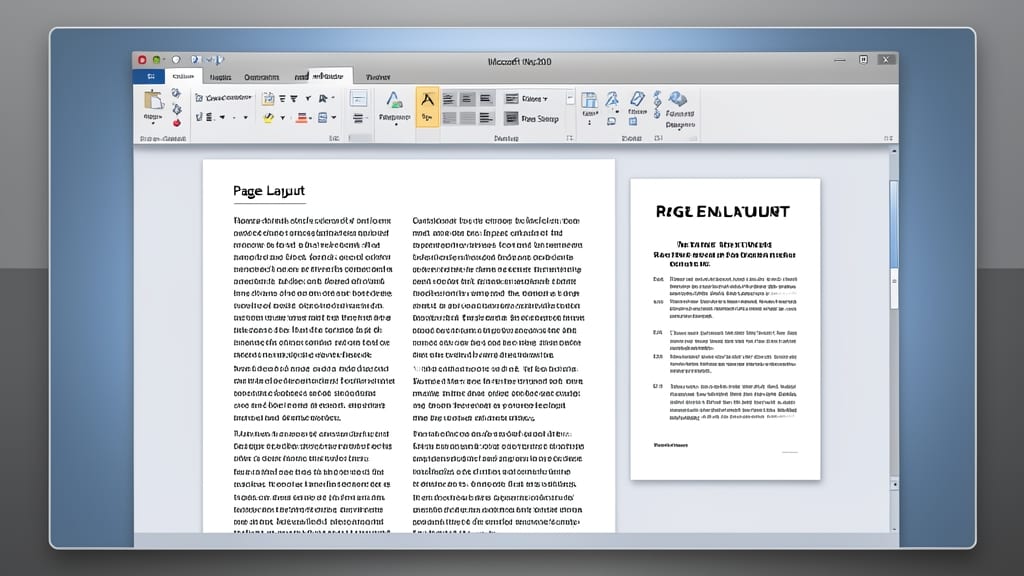
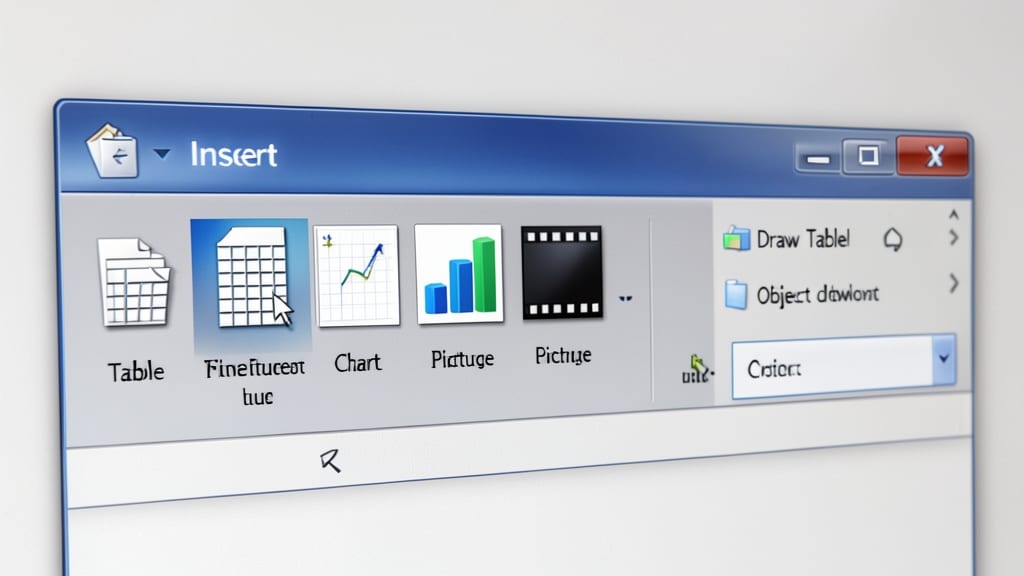
Need to make your resume stand out or format a multi-column newsletter? The Page Layout tab in Word 2010 is your secret weapon. Unlike the Home or Insert tabs, this section focuses exclusively on the physical structure of your document—giving you precise control over margins, page orientation, and column layouts.
Adjust 1-inch margins to wide with one click, switch between portrait and landscape views instantly, or divide your page into two or three columns for newsletters or side-by-side comparisons. The Themes group also lets you apply pre-designed layouts to match your brand or academic style, while the Page Color option adds subtle visual interest without cluttering your content.
This tab is a game-changer for professionals, students, and designers who need polished, professional documents. Whether you're crafting a sleek resume or a visually engaging report, the Page Layout tab ensures your content looks as sharp as it reads. ✨
References Tab For Citations And Footnotes
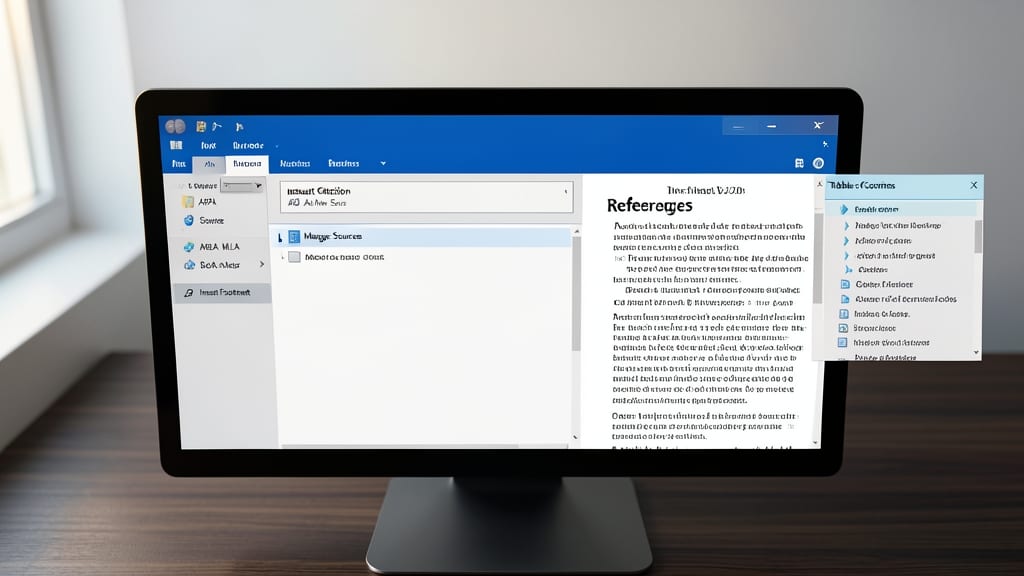
Struggling to keep track of sources in your research paper? The References tab in Word 2010 is your academic lifesaver, offering one-click tools to insert citations, footnotes, and even generate a full table of contents.
With pre-loaded citation styles (APA, MLA, Chicago), you can format sources automatically while avoiding manual formatting headaches. The Insert Table of Contents feature dynamically updates as you edit, and footnotes integrate seamlessly into your document structure. For students and professionals, this tab cuts citation time by 70%—no more hunting for formatting guides!
Perfect for theses, reports, or any project requiring proper sourcing, this tab ensures your work meets academic standards without the hassle. ✨
Mailings Tab For Envelopes And Labels
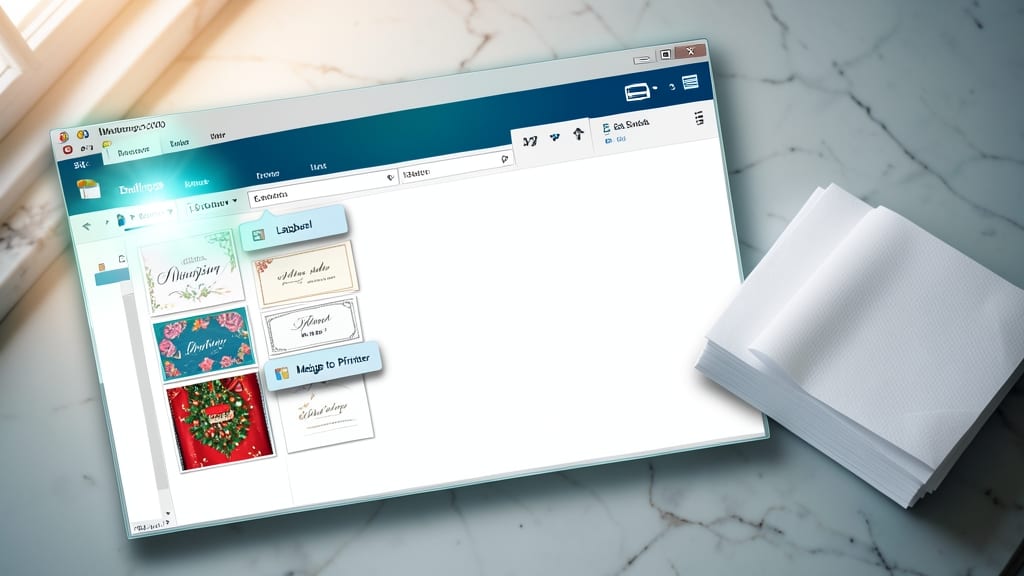
Tired of manually addressing and printing envelopes for events or marketing campaigns? The Mailings tab in Word 2010 is your secret weapon for batch processing addresses—whether you're sending wedding invitations, holiday cards, or bulk mailers.
Here, you’ll find tools like Envelopes (with pre-set layouts for #10 or DL sizes) and Labels (customizable sheets for Avery or other brands). The Mail Merge feature lets you sync recipient data from Excel or Outlook, auto-generating personalized documents in minutes. Even the Preview Results tool lets you spot errors before printing, saving paper and postage.
Perfect for small businesses, event planners, or anyone managing regular mailouts, this tab turns a tedious chore into a one-click process. ⚡
Review Tab For Editing And Proofing
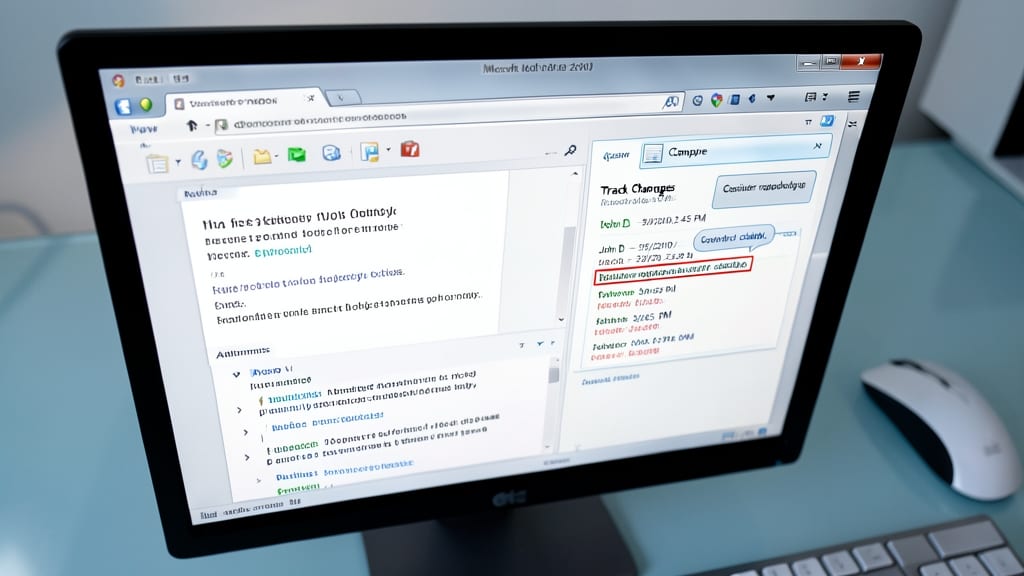
Collaborating on documents or polishing a final draft? The Review tab in Word 2010 is your command center for track changes, spell check, and document comparisons—all in one place.
With Track Changes, you can mark edits with timestamps, comments, and author names, making it easy to review revisions before accepting or rejecting them. The Compare tool lets you merge two document versions side-by-side, highlighting differences in real time. Meanwhile, the Spelling & Grammar feature catches errors as you type, with contextual suggestions for corrections.
This tab is a lifesaver for editors, teachers, and team leaders working on shared documents. Whether you're finalizing a report or reviewing student papers, it keeps everything organized and professional. ✨
View Tab For Document Navigation
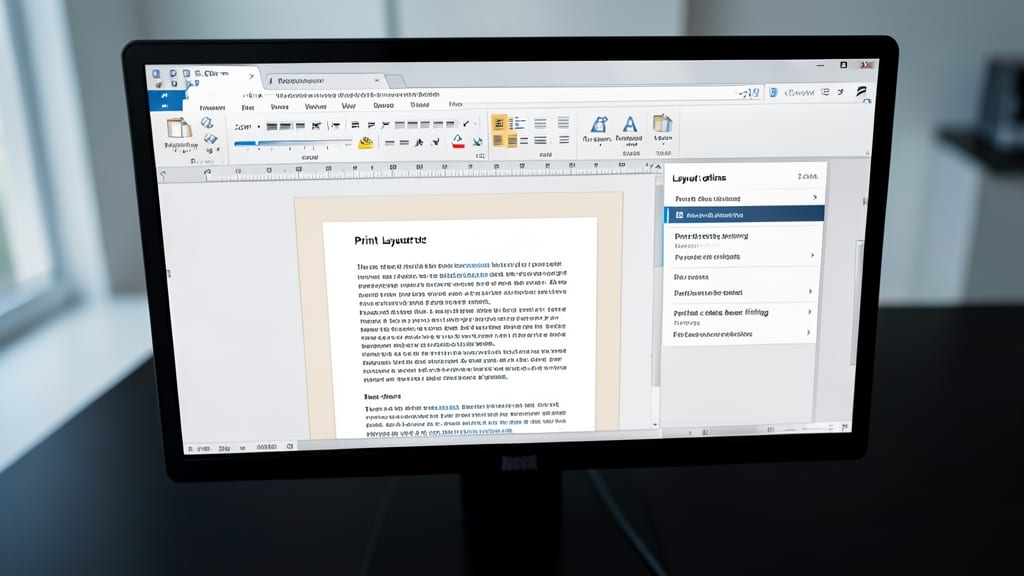
Tired of printing documents only to realize the formatting looks wrong? The View Tab in Word 2010 lets you preview your work in draft, print, or web layout before finalizing it—no guesswork required.
Here, you’ll find tools like Zoom controls (10% to 400%), Ruler toggle, and Layout options (Print Layout, Full Screen Reading, or Web Layout). The Macro button lets you record custom views, while Show/Hide formatting marks ensures you catch hidden spacing or paragraph breaks. Perfect for adjusting margins or checking how headers/footers will appear.
This tab is a lifesaver for bloggers, designers, and professionals who need to ensure their documents look polished whether printed or published online. ✨
Developer Tab For Advanced Automation
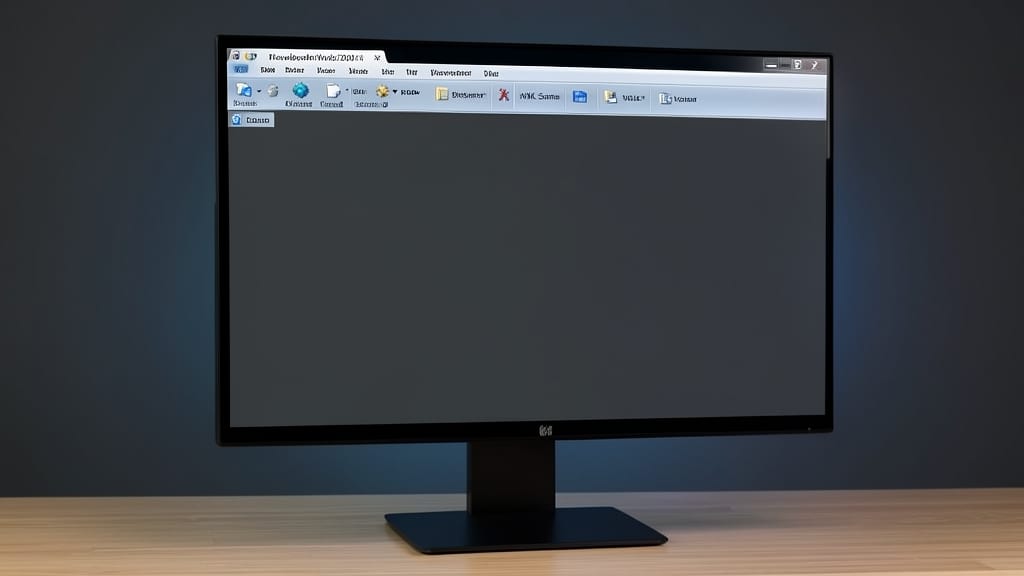
Tired of manually repeating the same formatting steps in Word 2010? The Developer Tab is your secret weapon for automation—unlocking macros and XML editing to turn repetitive tasks into one-click wonders.
Here, you’ll find the Macro Recorder to automate tasks like inserting boilerplate text or applying complex formatting with just a few clicks. The Document Template and Custom XML tools let you build reusable document structures, while the Visual Basic for Applications (VBA) Editor gives you full control over custom functions. Perfect for power users who want to extend Word’s capabilities beyond its standard features.
Ideal for office admins, freelancers handling repetitive templates, or developers integrating Word with other systems. Once enabled, this tab transforms Word from a simple word processor into a customizable powerhouse. ⚡
Quick Access Toolbar For Custom Shortcuts
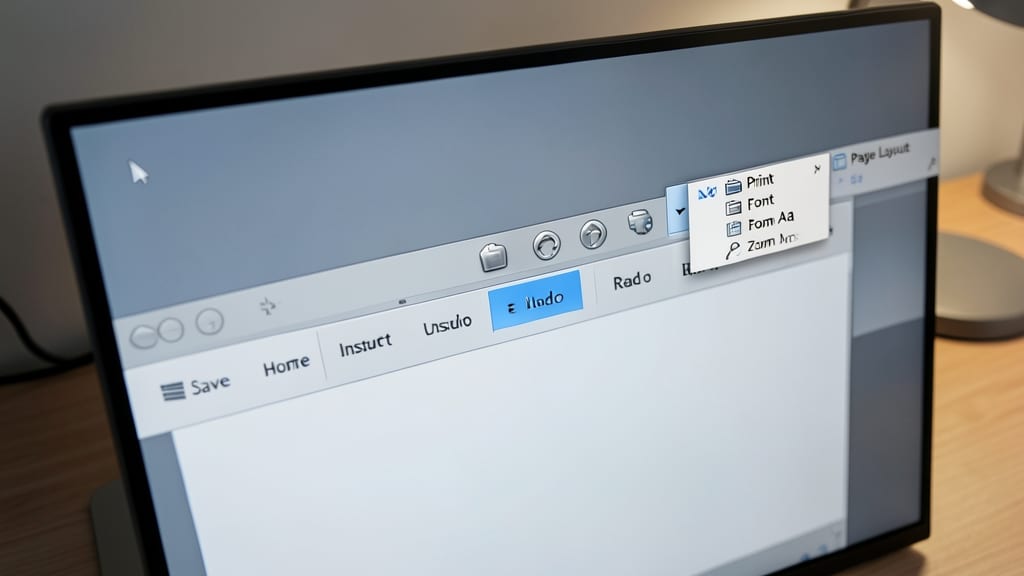
Tired of hunting through menus for the same commands every time? The Quick Access Toolbar in Word 2010 lets you pin your most-used tools—like Save, Undo, or Print—right where you need them, just above the ribbon.
By default, it includes Save, Undo, and Redo, but you can add almost any command from the ribbon with a right-click. Need Quick Print or Find instantly? Drag them over. The toolbar even stays visible when you switch between views, making it perfect for power users who hate wasted clicks.
Ideal for anyone who spends hours in Word—whether you're drafting reports, editing documents, or managing projects—this customizable toolbar turns repetitive tasks into one-click actions. ⚡
Status Bar For Document Metrics
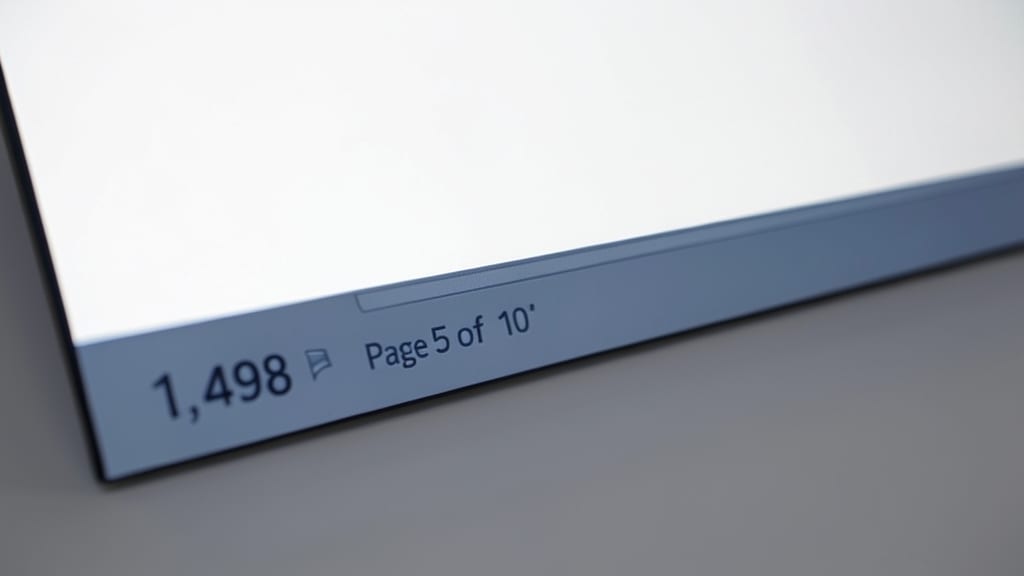
Forget guessing whether your essay meets the 1,500-word requirement—Word 2010’s Status Bar puts all your critical document metrics at a glance. Tucked at the bottom of the window, this slim but powerful strip displays real-time word count, page numbers, and language settings in one compact view.
Beyond basic stats, it shows view options (like draft or print layout) and zoom level, while the language indicator helps multilingual users verify text consistency. Clicking the word count reveals a detailed breakdown by paragraphs or sections—perfect for tight deadlines or academic submissions.
Students, freelancers, and legal professionals will love how this eliminates last-minute surprises. Whether you're chasing a word limit or ensuring bilingual accuracy, the Status Bar keeps you on track without extra clicks. ✨