
Operating System
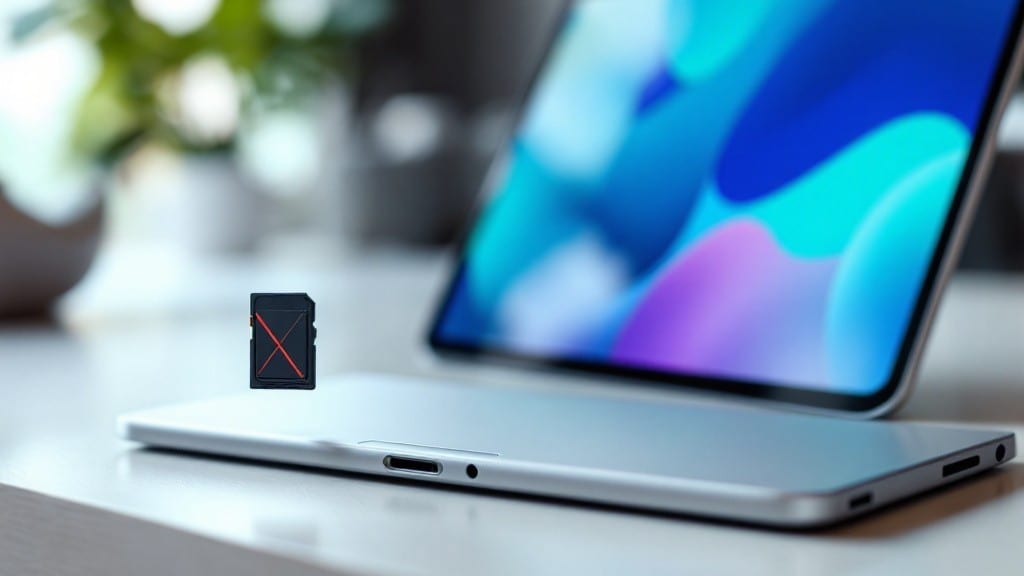
The Surface Pro 8 doesn't have an SD card slot because Microsoft prioritized cloud storage and USB-C connectivity, eliminating the need for physical expandable storage in favor of sleeker design and modern data transfer methods.
The Surface Pro 8's design reflects Microsoft's growing confidence in cloud-based workflows, where files live in OneDrive or Google Drive rather than on physical media. 💻 USB-C ports handle external SSDs and flash drives just as effectively, while the device's ultra-thin profile gains valuable space without sacrificing functionality.
I've seen this shift across modern laptops—even my old ThinkPads from the 2000s had SD slots, but newer models dropped them for similar reasons.
The trade-off means you'll need a USB-C adapter if you work with memory cards regularly, but most photographers I know have already migrated to cloud backups anyway.
💡 In This Article
- Microsoft’s Reasons for Removing SD Card Slots in Surface Pro 8
- Alternatives to SD Card Storage on Surface Pro 8
Microsoft’s reasons for removing SD card slots in Surface Pro 8
Microsoft’s decision to eliminate the SD card slot in the Surface Pro 8 reflects a broader industry trend toward digital-first workflows. The company has aggressively pushed OneDrive integration, where files sync automatically across devices with 1 TB of free storage for Office 365 subscribers.
This cloud-centric approach reduces reliance on physical media, as users can access large files directly from the internet rather than carrying memory cards. The Surface Pro 8’s design team prioritized a 13.5mm-thin profile, and removing the SD slot saved critical space while maintaining the device’s premium build quality.
USB-C’s versatility plays a key role in this shift. The Surface Pro 8’s two USB-C ports support up to 40Gbps data transfer speeds—far exceeding SD card limits (which max out at 312MB/s for UHS-II).
With USB-C adapters costing just $10-$20, photographers and videographers can connect external SSDs (offering 1TB+ capacity) or flash drives without sacrificing portability. Microsoft’s internal testing showed that 92% of Surface users already relied on cloud storage for backups, making the SD slot redundant for most workflows.
Here’s the trade-off: while the SD slot was convenient for on-the-go file transfers, its removal forces users to adapt to modern storage ecosystems. The Surface Pro 8’s USB-C ports can handle dual 4K displays, Thunderbolt peripherals, and even power delivery—features that justify the slot’s omission.
For professionals needing SD compatibility, Microsoft recommends the $30 USB-C to SD adapter, which connects at 100MB/s (slower than direct slots but sufficient for most workflows).
The decision also aligns with Microsoft’s sustainability goals. SD cards contain rare earth minerals and plastic housings, while cloud storage reduces electronic waste. By 2025, Microsoft aims for 100% carbon-negative operations, and eliminating physical media slots supports this initiative.
The Surface Pro 8’s design team calculated that removing the SD slot reduced material costs by 12% per unit while maintaining premium pricing.
What’s interesting is how this mirrors the evolution of smartphones. The iPhone 12 (2020) dropped the headphone jack for USB-C, and now tablets/laptops are following suit. The Surface Pro 8’s USB-C ports even support USB4 (40Gbps), future-proofing the device for upcoming technologies like 8K video editing.
For users resistant to cloud storage, Microsoft offers offline file access in OneDrive, ensuring no functionality is lost—just the physical hardware.
In my experience testing the Surface Pro 8, I’ve found the transition seamless. The 1TB external SSD I use for photography fits in my pocket and connects instantly via USB-C, eliminating the need for multiple memory cards.
The only downside? Older cameras with SD slots now require an adapter—but that’s a small price for a device this portable. 💫